
 Home »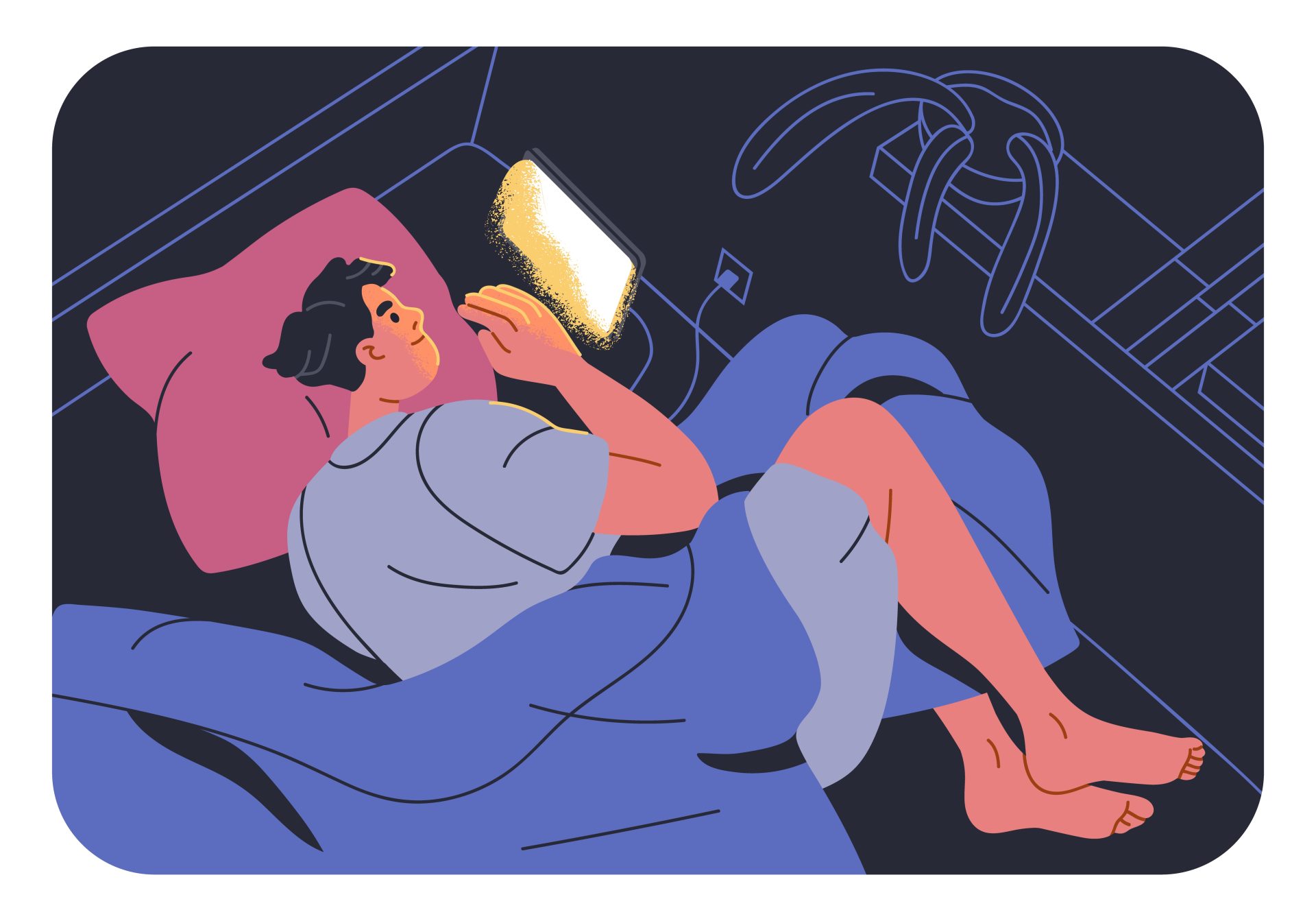
Stop Late-Night Scrolling
Late-night scrolling is now one of the main reasons we lose sleep, and many of us don’t realize its impact until we start feeling tired all the time. We lose focus, get irritable, and wake up feeling like we’re running on cold brew and regrets.
The internet was meant to make life simpler, but many people end up feeling overstimulated, mentally cluttered, and oddly restless by the end of the day.
At Stands, we often talk about feeling overwhelmed by digital stuff because the real problem isn’t just being online. Suggestions, autoplay videos, catchy headlines, ads, and feeds that change based on what you like are all designed to keep you scrolling longer than you planned.
Late at night, when your self-control is already low, it becomes even harder to resist that urge.
- Why Nighttime Scrolling Hits Different
- The Cost of “Just One More Scroll”
- Why Willpower Alone Fails
- Practical Ways to Stop Late-Night Scrolling
Why Nighttime Scrolling Hits Different
Scrolling during the day and scrolling at night feel very different. During the day, your mind is busy with work, conversations, and routines. At night, when things get quiet, many people fill the silence with more content rather than winding down.
Researchers have found that excessive screen time before bed can keep your mind more active and slow down your body’s natural sleep-preparation process. Blue light is important, but the bigger problem is how endless feeds keep your brain awake and always looking for something new.

That anticipation loop matters more than people realize.
When you scroll through social media or short videos, your brain keeps searching for little rewards. Each swipe might show something funny, surprising, helpful, or fun. This unpredictability creates a hard-to-break cycle.
In simple terms, your brain keeps saying, “Maybe the next post will be better.”
And so the cycle continues…
The Cost of “Just One More Scroll”
Most people first notice the obvious signs: waking up tired, having trouble focusing, or feeling groggy in the morning. But the long-term effects go beyond just feeling sleepy.
Poor sleep has been connected to trouble focusing, feeling more irritable, getting less done, and higher stress levels. When scrolling at bedtime becomes a regular habit, your brain never gets the full rest it needs.
Over time, constant stimulation can make you feel physically tired but mentally restless. You might know the feeling: your body is worn out, but your mind keeps going over thoughts, news, talks, and open tabs.
It’s even harder because scrolling often feels like a form of relaxation. But in truth, doomscrolling and endless content rarely help you calm down. Instead, they keep your brain active when it should be getting ready to rest.
That’s why many people wake up feeling like they slept, but didn’t really rest.
Why Willpower Alone Fails
Many digital detox tips sound good in theory, but don’t work well in real life because they rely only on willpower. At night, self-control is usually at its weakest. After a long day, your brain just wants something easy and comforting.
Social media, streaming apps, shopping sites, and news feeds are made to keep you hooked. Features like endless scrolling, autoplay, suggestions, and notifications remove the natural breaks where you might pause.

Better digital habits come from creating good routines and reducing digital temptations, rather than relying solely on willpower.
That’s why many people find it easier to change their nighttime habits by adjusting their environment instead of just trying to be stronger.
Practical Ways to Stop Late-Night Scrolling
The good news is you don’t have to give up your phone or quit technology. Lasting change often comes from small steps that make it harder to scroll mindlessly and easier to rest on purpose.
Here are some strategies that actually help.
1. Move Your Phone Away From the Bed
When your phone is nearby, scrolling happens without thinking. Most people don’t plan to spend another hour online — they just grab their phone out of habit, open an app, and get pulled into endless content.
Charging your phone across the room introduces a small delay between wanting to scroll and actually scrolling. That little extra effort can often stop the habit before it starts.
Some people go further and keep their phones out of the bedroom, using a regular alarm clock instead.
2. Create a Digital Sunset Routine
Morning routines are popular, but evening routines are just as important.
A digital sunset is when you choose a set time each night to stop using exciting online activities. It could be 9:30 or 10:00 p.m., depending on your routine, but being consistent is more important than being perfect.
After that time, switch to activities that help you relax rather than those that keep your mind active.
Here’s a simple comparison:
| High-Stimulation Habits | Low-Stimulation Alternatives |
| Scrolling TikTok | Reading a physical book |
| Watching short-form videos | Listening to calm music |
| Checking work emails | Journaling |
| Doomscrolling news feeds | Stretching or light yoga |
| Online shopping | Herbal tea and quiet conversation |
The goal isn’t to destroy the joy, but to help your brain recognize that it’s time to wind down.
3. Clean up your digital environment
One reason people struggle with late-night scrolling is that the internet is very noisy now. Ads pop up, videos start playing automatically, suggestions are everywhere, and notifications are always trying to get your attention.

Using tools that make your browsing cleaner can help reduce the constant stimulation that leads to endless scrolling. A calmer online space gives you fewer chances to get lost in endless scrolling.
Tools that can help you stop scrolling
You don’t have to rely on self-control alone. The right tools can make it easier to build better habits.
| Tool | What It Helps With | Best For |
| Stands AdBlocker | Reduces distracting ads and popups | Cleaner browsing experience |
| Freedom | Blocks distracting apps and websites | Focus sessions and bedtime limits |
| Forest | Gamifies staying off your phone | Reducing compulsive checking |
| One Sec | Adds pause screens before opening apps | Breaking automatic habits |
| Opal | Limits screen time and social apps | iPhone users managing distractions |
| Cold Turkey Blocker | Aggressive distraction blocking | Deep work and nighttime boundaries |
The important thing is finding tools that help you use your devices on purpose, rather than setting strict limits that are hard to keep.
4. Replace scrolling with something your brain actually enjoys
A common mistake is trying to stop scrolling without finding something else to do. Your brain doesn’t like empty time, especially after a long, tiring day.
Instead of saying, “I can’t scroll,” try creating a bedtime routine that feels enjoyable.
Some good options include:
- reading fiction
- listening to podcasts with sleep timers
- doing skincare slowly without multitasking
- preparing tomorrow’s to-do list
- writing down thoughts in a journal
- practicing breathing exercises
- listening to rain sounds or ambient music
These activities help your mind relax gradually rather than keep it on high alert.
5. Turn off notifications you don’t truly need
Notifications are small interruptions that train your brain to expect constant updates. Every buzz, vibration, or light makes you want to check your phone, just in case something important happened.
Social alerts, shopping deals, suggestion emails, news banners, and random app reminders usually add stress instead of help. Turning them off can give you quick relief and help you check your phone less at night.
A simple rule: if a notification doesn’t make your life better right away, turn it off.
6. Avoid infinite content before bed
Not all content affects the brain the same way.
Apps with endless scrolling are especially hard to stop using because they don’t give your brain a clear signal to quit. But reading a book chapter or watching one episode of a show with a clear ending makes it easier to stop.
Whenever you can, choose nighttime activities with clear stopping points rather than endless feeds.
Conclusion
Many people find it hard to change their screen habits because they treat digital wellness like a quick fix. They try strict detoxes or tough rules that are hard to keep. Your brain really needs quiet time to recover from all the stimulation.
If you want more practical tips for healthier online habits, we have more guides on digital wellbeing, cutting down distractions, and making the internet a calmer place on our blog:
Late-night scrolling is mainly about fighting for your attention. The internet is designed to keep you online, with algorithms and platforms competing to hold you there as long as possible. But you can protect your mental energy, improve sleep quality, and your overall well-being.
And honestly, your brain deserves better than falling asleep to nonstop notifications and autoplay videos every night. :)

