
 Home »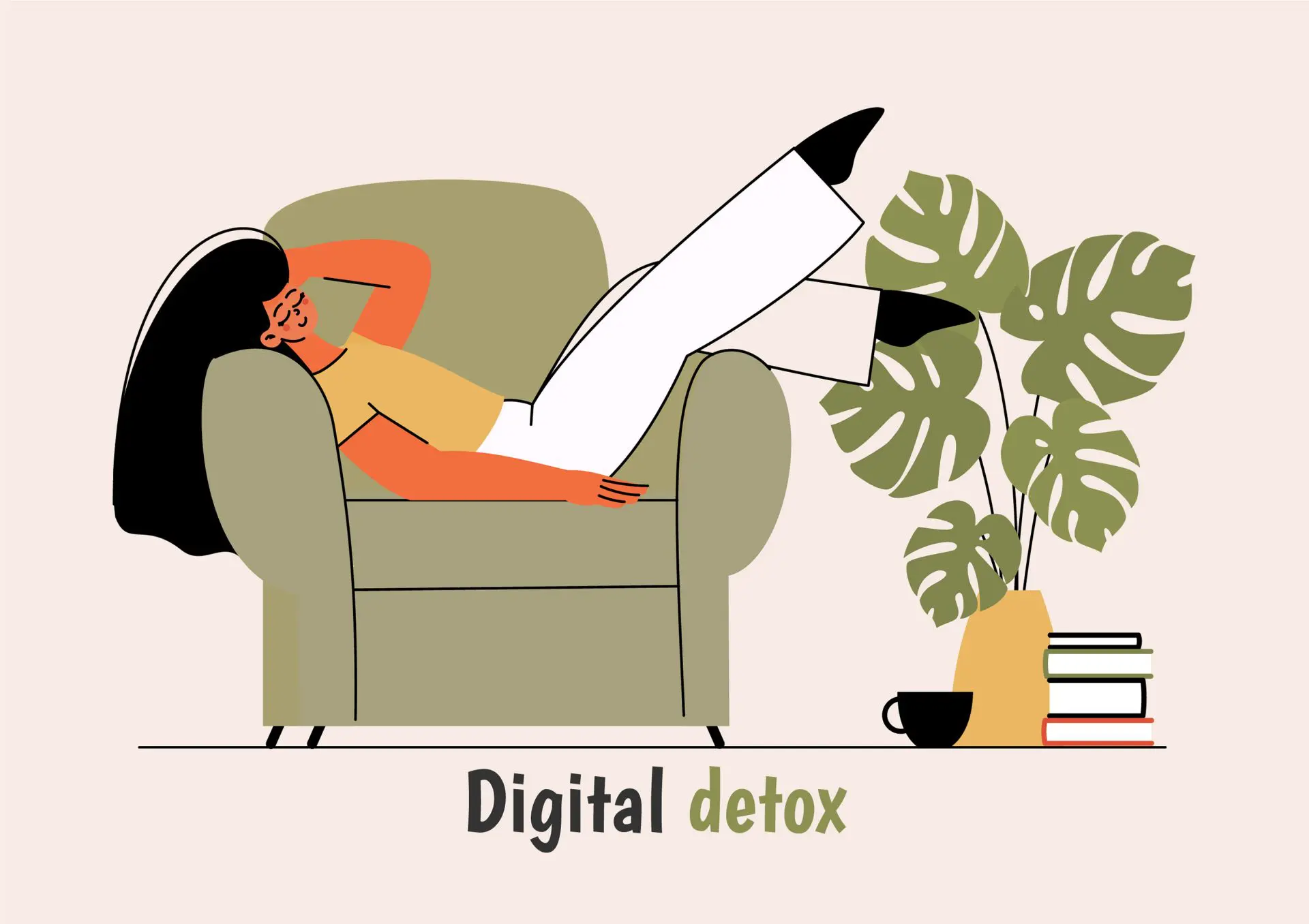
“Digital Detox” in 2026
The average American checks their phone around 96 times a day. That’s once every 10 minutes if you’re awake. No wonder your brain feels like it’s running a marathon before noon.
Welcome to digital detox 2026, where stepping away from your screen isn’t some wellness trend reserved for yoga retreats, but a survival mode.
A digital detox simply means intentionally cutting back on device use. Not throwing your phone into the ocean, not going full hermit, just setting boundaries so your attention isn’t constantly hijacked.
In this article, we will check how to protect your mental health, stay focused, and actually get things done without your brain melting into mush. Let’s get into it!:)
The Screen Time Crisis: Data & Trends
If it feels like everyone is glued to their screens, that’s because they are.
Spending more than five hours a day on your phone is now considered normal behaviour, even though research shows that crossing that threshold is linked to lower well-being.
At the same time, a large portion of people report anxiety when they’re without their phones, a phenomenon known as nomophobia. Attention spans have dropped dramatically over the years, and more than half of users openly admit they struggle to control their screen time.
What’s driving this is design: infinite scroll, AI-personalised feeds, and constant notifications create an environment where there’s always something new to see and no natural stopping point.
The result is cognitive overload. Your brain is constantly processing, reacting, and switching contexts, which makes sustained focus feel almost impossible

What Science Says: Proven Benefits of Digital Detox
A randomised controlled trial found that reducing screen time leads to measurable improvements in stress levels, sleep quality, and depressive symptoms.
When people step back from their screens, even temporarily, they tend to experience less anxiety and a noticeable boost in emotional well-being. What’s interesting is how quickly the effects kick in. You don’t need months to feel the difference — sometimes just days are enough.
There’s also a cognitive upside. Without constant interruptions, your brain gets a chance to slow down and actually focus. That means deeper work, better concentration, and fewer of those moments where you forget what you were doing mid-task.
Sleep improves too, especially when screen use is reduced in the evening. Studies consistently show that less exposure to screens before bed leads to better rest and less fatigue the next day.
The main insight here is that you don’t need a full detox to see benefits. Even small, consistent changes can make a real difference.

Why Digital Detox Is Trending in 2026
More people are actively trying to reduce their screen time, and there’s a growing shift toward simpler, less distracting digital environments. The comeback of “dumb phones” and minimalist tech setups says a lot about where things are heading.
Even workplaces are starting to adapt, encouraging clearer boundaries and fewer after-hours interruptions.
What’s changed culturally is how we define productivity. Being constantly online used to look like efficiency. Now it often looks like a distraction.
In 2026, focus is the real flex. Choosing to unplug — even a little — is becoming a signal that you’re in control of your time and attention.
The Digital Detox Paradox
Most people say they want to spend less time on their phones, yet very few consistently use the tools available to help them do it.
The reason is simple — people don’t actually want less technology. They want better control over how they use it.
Your phone is still your map, your communication hub, your workspace, and your entertainment system. Walking away from it entirely isn’t realistic.
The real goal is balance, and that’s where smarter tools and habits save us.
Tools That Make Digital Detox Easier (2026 Edition)
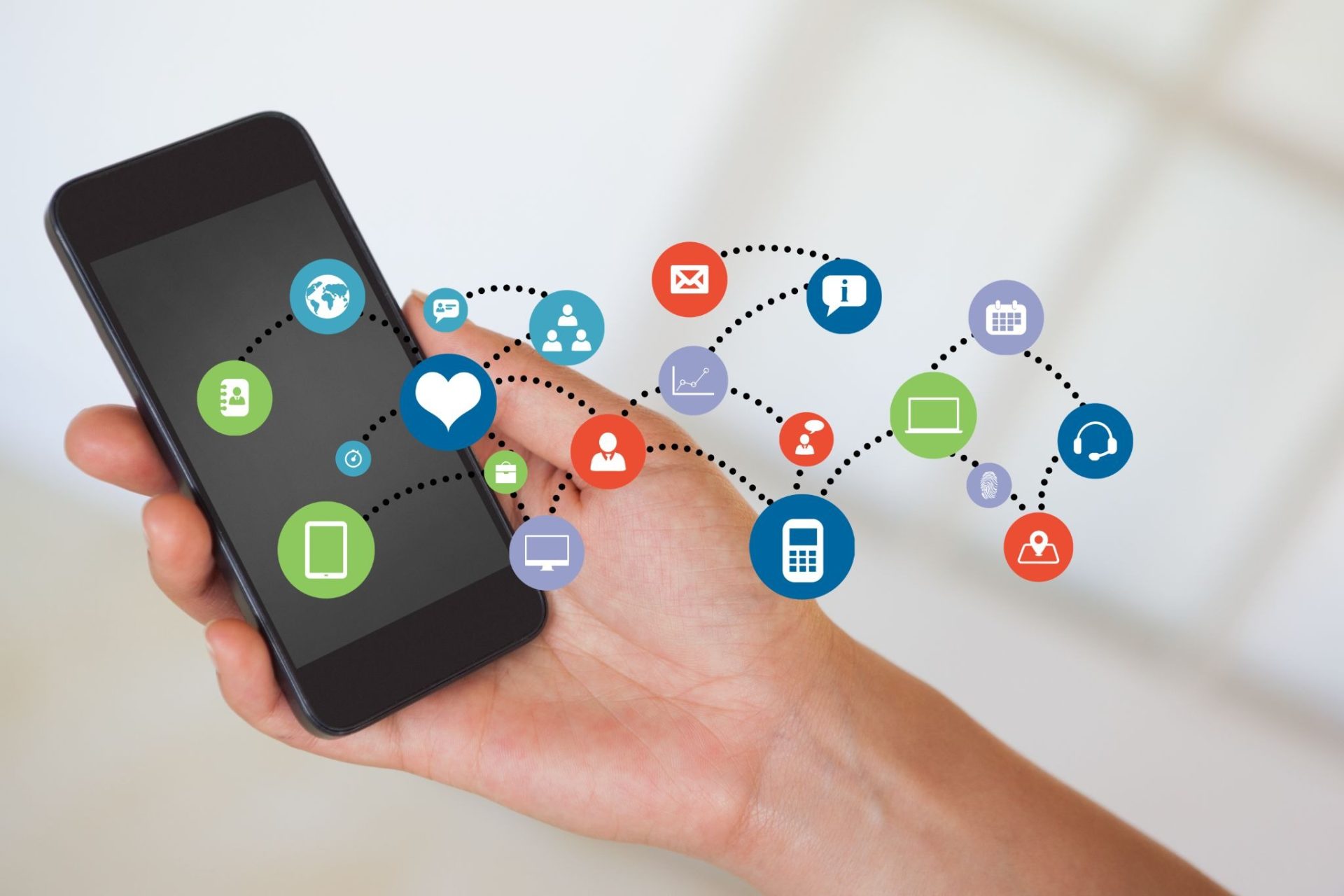
Willpower alone usually isn’t enough, especially when apps are designed to keep you hooked.
That’s why more people are turning to tools that remove distractions automatically. App blockers, focus modes, and add blockers help limit time-wasting behaviour, while screen-time trackers build awareness. Let’s check together some of them.
Freedom: App & Website Blocker
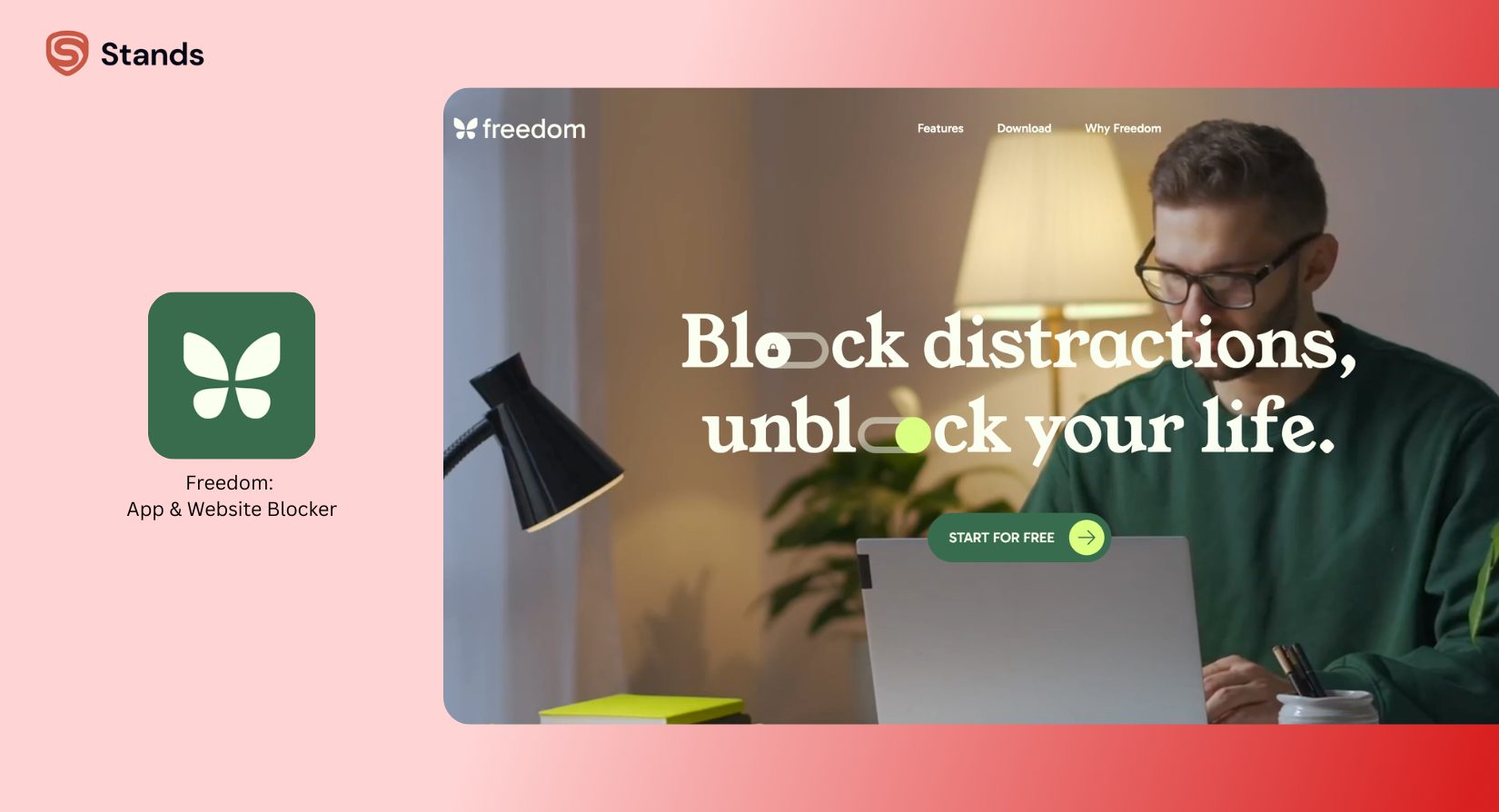
Freedom is one of the most widely used blockers because it works across all your devices. You can block distracting apps and websites on your phone, laptop, and tablet at the same time, which removes the classic loophole of just switching screens when one gets blocked.
Freedom: App & Website Blocker
Opal Screen Time Limit & Timer
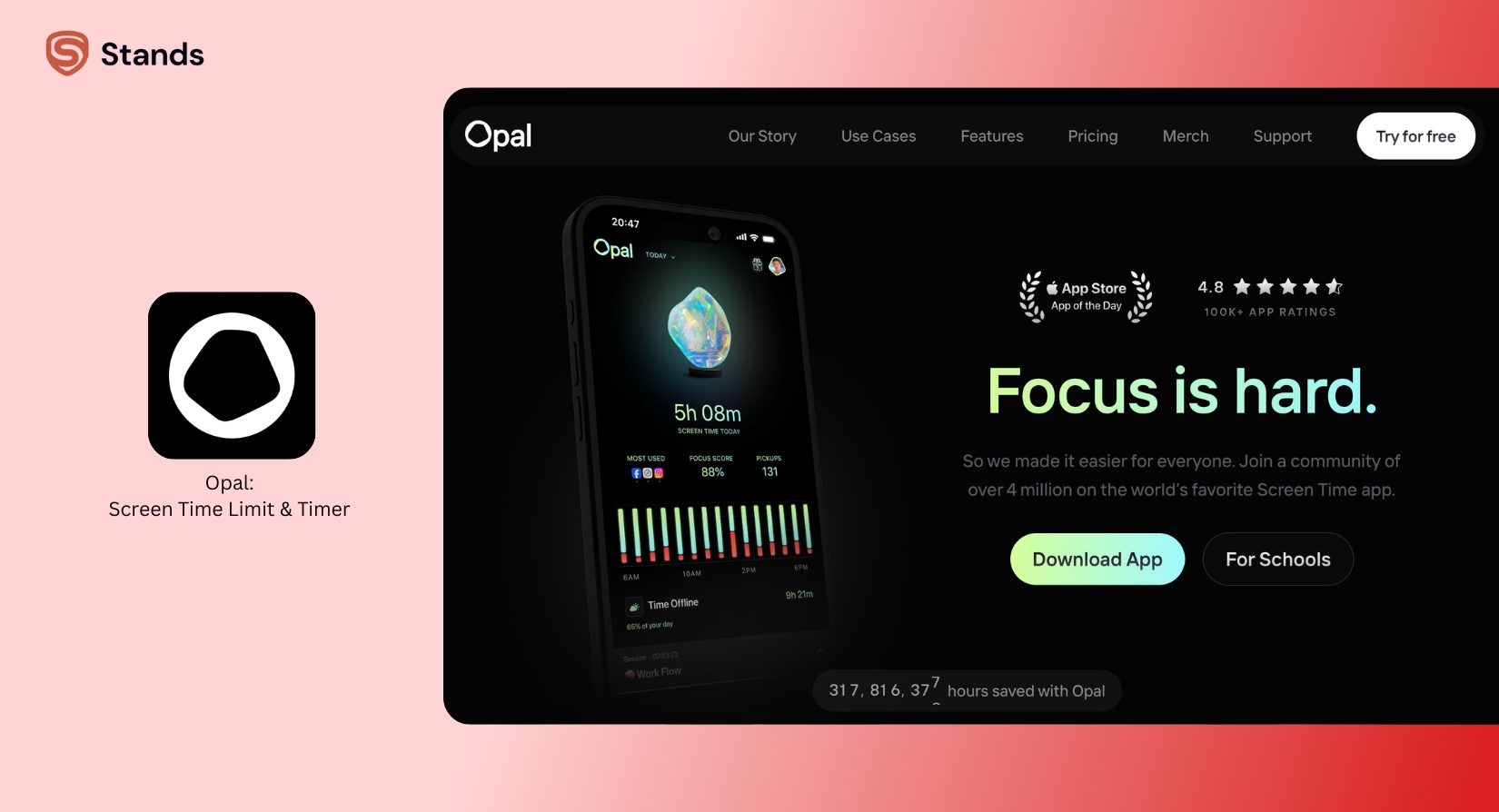
If you want something a bit more structured (and honestly stricter), Opal is often considered the “hard mode” of digital detox. It uses deep focus sessions and AI insights to track your habits and lock you out of apps when you need it most. It’s especially popular with people who want real accountability instead of gentle reminders.
Opal Screen Time Limit & Timer
Forest: Focus for Productivity
Now, if that sounds a bit intense, there’s a softer entry point. Forest turns focus into a game. You plant a virtual tree, and it grows as long as you stay off your phone. Leave the app, and the tree dies. It sounds simple, but that little bit of psychological friction is surprisingly effective, especially for shorter work sessions.
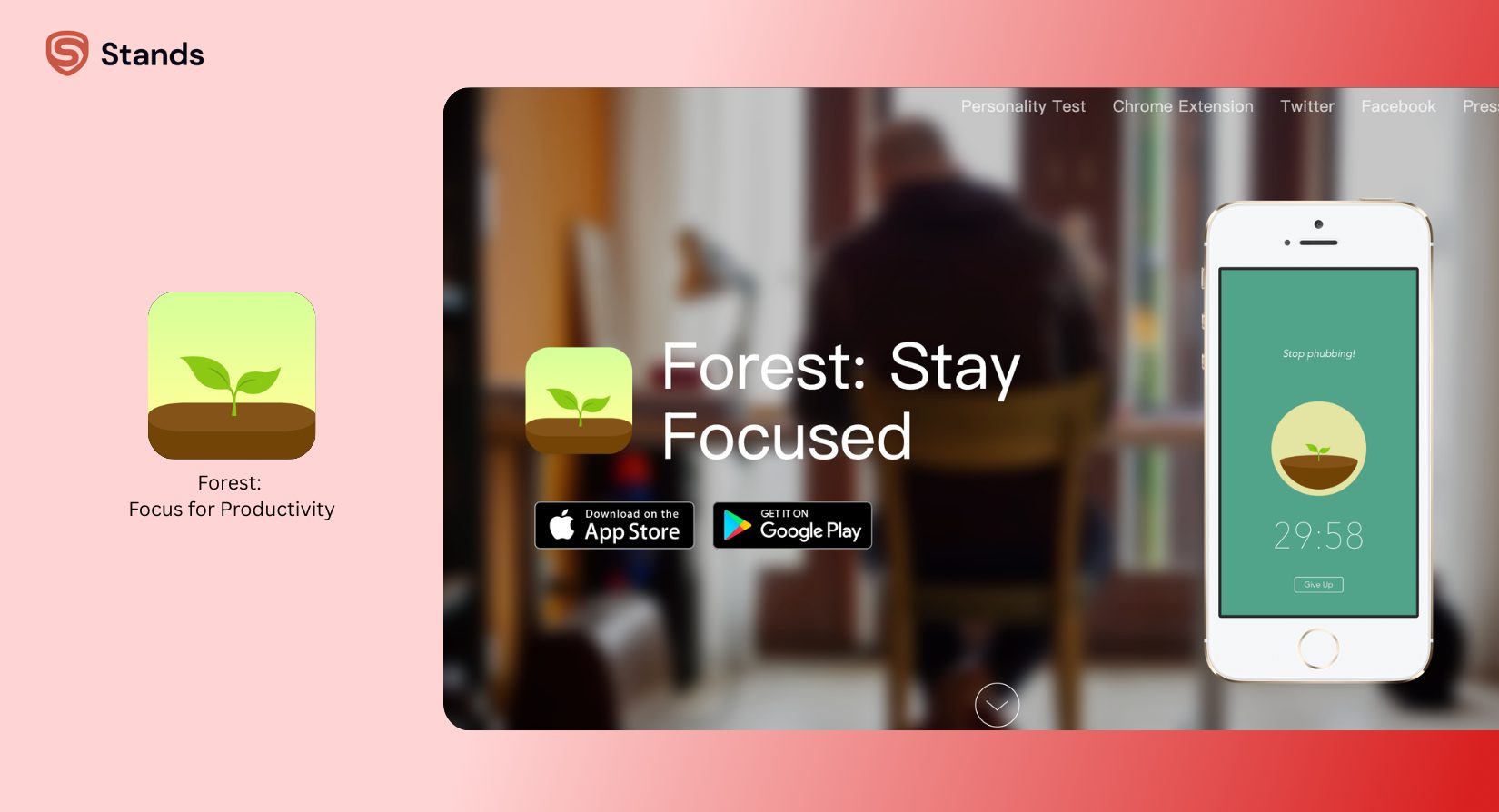
Forest: Focus for Productivity
Ad blockers
Last but not least, let’s not forget about ad blockers.
Ads are built to capture attention. They interrupt your flow, trigger impulsive clicks, and keep you engaged longer than you intended. Over time, that adds up to serious cognitive noise.
That’s why tools like Stand’s AdBlocker are helping users reduce distractions and reclaim attention.
Practical Digital Detox Strategies
You don’t need a drastic reset to improve your digital habits. In fact, research shows that gradual, structured changes are more effective in the long run.
A simple place to start is by creating small pockets of time without your phone, like keeping your mornings or evenings screen-free. Turning off non-essential notifications can also make a surprisingly big difference.
As you build momentum, you can introduce app limits or experiment with short social media breaks. Even stepping away for a few days can help reset your attention and give you a clearer sense of control.
For a more structured approach, combining these habits with tools and tactics from guides like How to Block Ads on Instagram can make the transition much easier.

The Future of Digital Wellbeing
Looking ahead, the challenge isn’t going away.
AI will continue to make content more personalised and more engaging, which means the competition for your attention will only get more intense.
At the same time, awareness is growing. People are starting to question how much of their time is being consumed by screens and what they’re actually getting in return.
We’re seeing the rise of intentional tech — tools designed not to maximise engagement, but to reduce it.
The future of digital detox won’t be about extreme unplugging. It will be about small, daily habits that help you stay in control.
Conclusion
Your attention is one of your most valuable assets, and right now it’s under constant pressure.
Digital detox is not rejecting technology, but using it on your terms. And no, you don’t need to move to a cabin in the woods or switch to a flip phone forever. Sometimes it starts with something as simple as blocking a few distractions, setting a boundary, or just not opening that one app out of habit.
When you reduce noise, you gain clarity. When you gain clarity, you get your time back. And once you have your time back, everything else starts to improve.
Your brain will thank you… right after it checks one last notification. :)

