
 Home »
How to Stop “Impulse Buying” Your Savings Away
Impulse buying doesn’t feel like a “decision” most of the time. You open your phone for a quick scroll, see something random, and somehow end up checking out five minutes later. Your brain jumps in fast with reasons: it’s useful, it’s on sale, you’ve been thinking about something like this anyway… sold.
Good for us, it’s not just about self-control. Ads, feeds, and shopping apps are built to catch you at the right moment and make the whole process feel easy and natural. All of these things are designed to work exactly like that.
So instead of trying to just “be better with money,” it makes more sense to understand what’s actually going on behind the scenes, and how to make it harder for those impulse moments to win.
Let’s check it together. :)
Why impulse buying is so strong
Marketers work hard to make the time between seeing a product and buying it as short as possible. The less time you have, the less likely you are to rethink your choice. In marketing terms, this is called reducing “cognitive load.” In simple terms, it means making you think less before buying.
Research in consumer psychology shows that emotional triggers like urgency, scarcity, and personalization often lead to more unplanned purchases.
Shopping itself has changed a lot in the past decade. Products appear in the content you see every day, so you find them while doing other things instead of searching for them.
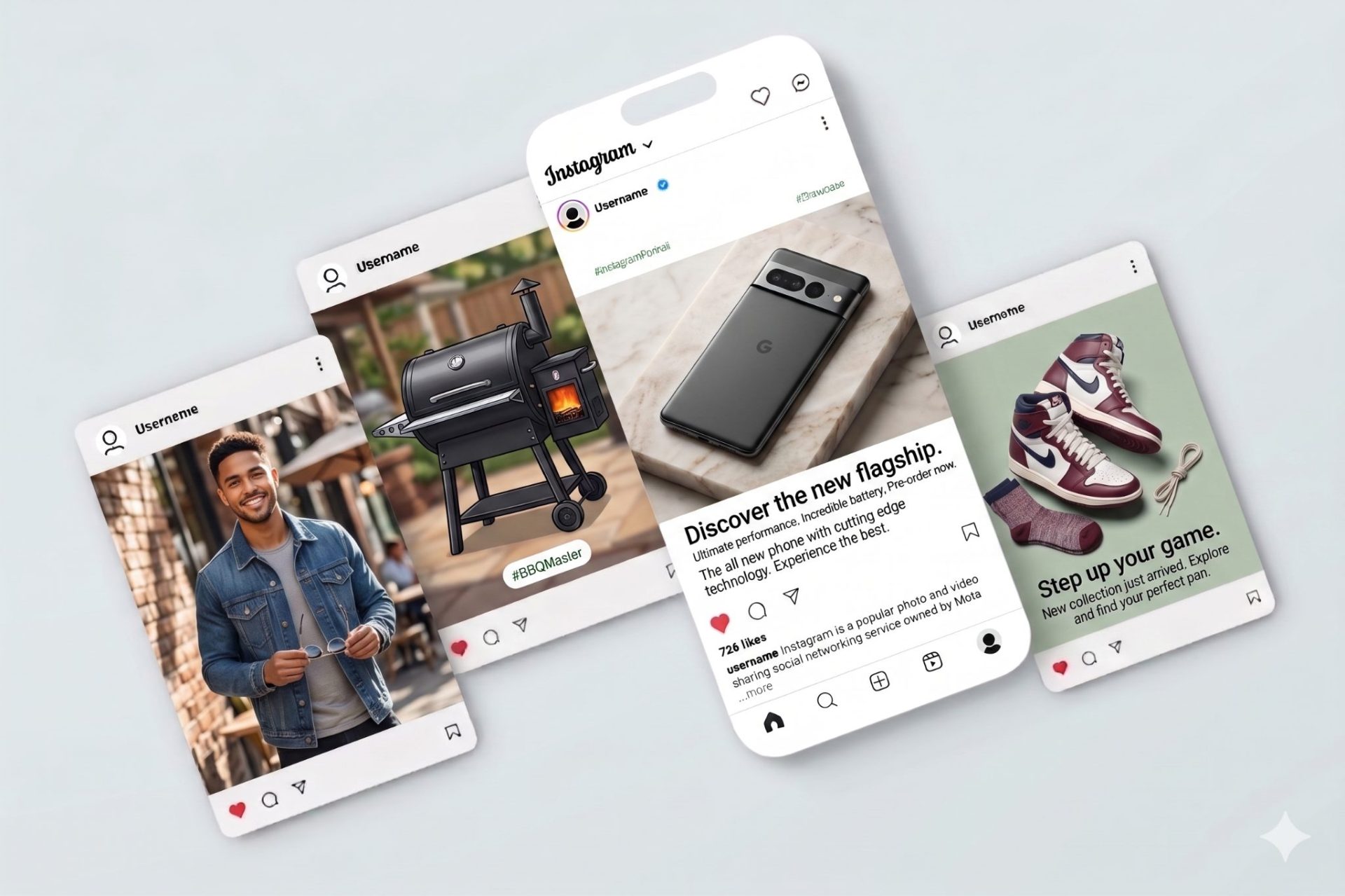
Social platforms are a big reason for this change. Your feed is designed so that content, entertainment, and ads blend together. When an influencer suggests a product, it feels more like advice from a friend than an ad. That’s why making impulse purchases is so easy.
Marketing loop behind impulse buying
Most impulse purchases follow the same pattern:
- You see something (ad, post, recommendation)
- You feel a small emotional spike (“I want this”)
- Your brain justifies it (“It’s cheap anyway”)
- You buy it instantly
- The feeling disappears quickly
- You either forget or regret it
Here’s what it looks like visually:
| Stage | What happens | Weak point |
| Trigger | You see the product | Attention is passive |
| Emotion | Excitement kicks in | Logic is offline |
| Justification | “I deserve this.” | Rational thinking bends |
| Action | One-click purchase | No friction |
| Aftermath | Short satisfaction | Emotion fades fast |
This loop is powerful because it doesn’t rely on convincing you logically. It relies on moving you fast enough that logic doesn’t fully enter the process.
Why ads are more influential than they look
A lot of people believe ads only affect those who already want to buy. In fact, today’s ads are designed to grab your interest right away.
There are a few psychological tricks at play.
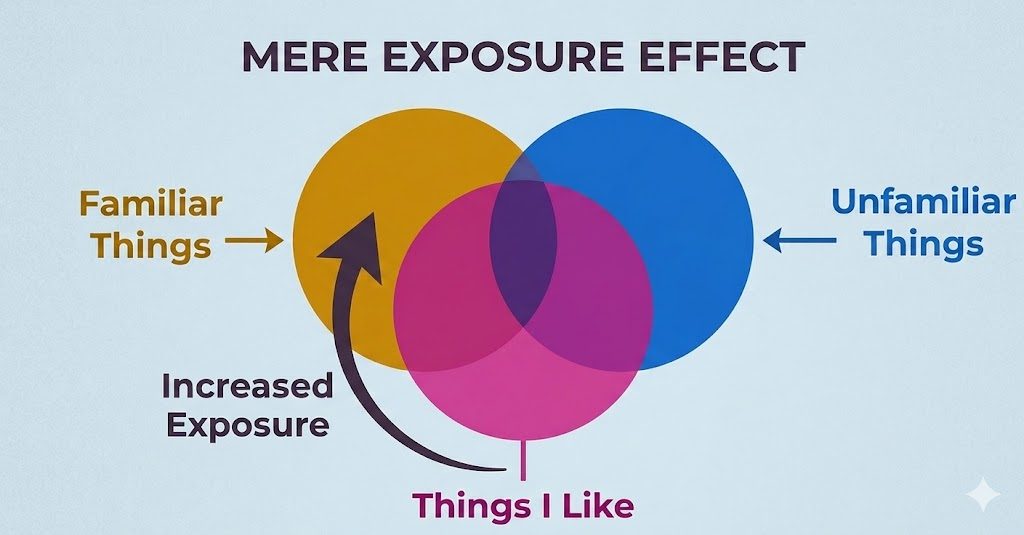
One trick is repetition. The more often you see something, the more familiar and trustworthy it feels, even if there’s no real reason. This is known as the “mere exposure effect,” and it’s a common marketing tactic.
The next is retargeting. If you look at a product once, you’ll likely see it again on other sites or apps. Seeing it repeatedly can make you feel like you’re already thinking about buying it, even if you haven’t decided yet. They show up in your feeds, stories, and content streams, so your brain treats them as part of what you’re already seeing instead of as a sales pitch.
Another big one is urgency. Ads often add pressure with phrases like “limited time,” “only a few left,” or countdown timers. This creates a sense that you need to act fast, even when nothing is actually running out. It pushes your brain into quick decisions instead of slow thinking.
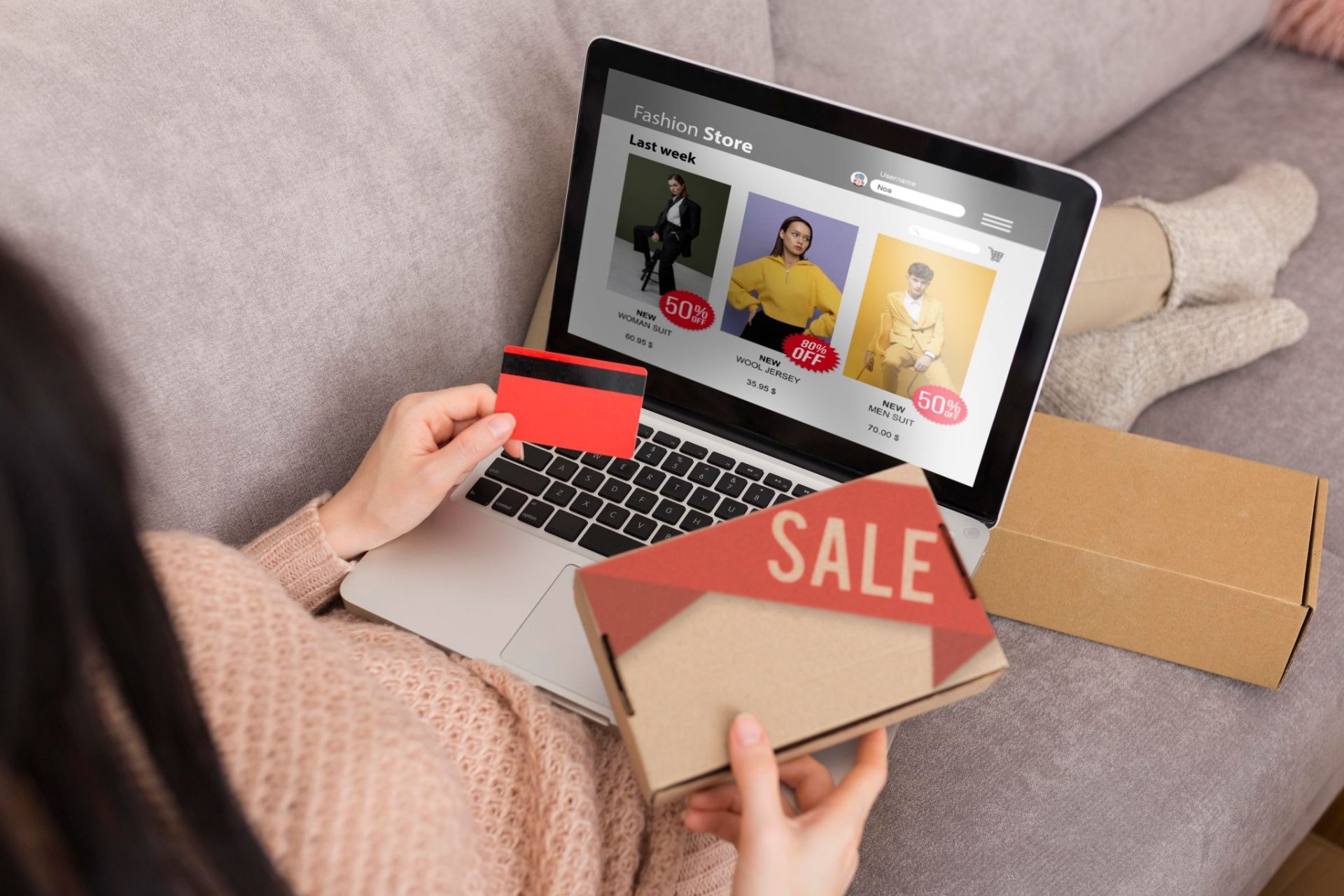
And then there’s personalization. Ads are not random anymore. They’re based on what you search, click, and watch, so they feel oddly accurate. When something feels “made for you,” it lowers your resistance and makes the offer feel more relevant than it really is.
How to stop impulse buying
You don’t need to make huge changes to stop impulse spending. Just adding small delays and a bit more effort can make a big difference.
One helpful way to handle impulse buying is to wait before making a decision. If you feel like you have to buy something right away, try putting it off for a little while. That urgent feeling usually passes, and once it does, it’s easier to see if you really want the item.
Studies on delayed gratification, like the famous Stanford “marshmallow experiment,” showed that people who pause and wait instead of acting on impulse tend to make better long-term decisions.
This matters because impulse buying often depends on your mood or state of mind. You might be more likely to buy something if you’re tired, stressed, bored, or distracted. What seems like a good idea at night might not feel the same in the morning.

Making the buying process a little less convenient can help more than you might think. For example, if you don’t save your payment details or turn off one-click purchases, you’ll have to pause before checking out. That extra moment gives you time to think clearly about your decision.
Tools that actually help reduce impulse buying
One of the best ways to reduce impulse buying is to have fewer temptations in the first place.
Tools like Stands Adblocker can help by blocking annoying ads and reducing how often you see promotions online. This means not just fewer banners, but also fewer emotional distractions while you scroll, read, or search.
We put the most useful tools into a few categories:
| Tool type | What it does | Why it helps |
| Ad blocker (e.g., Stands Adblocker) | Reduces ads and sponsored content | Fewer purchase triggers while browsing |
| Browser control tools (like Freedom or similar focus apps) | Blocks shopping sites during set times | Stops late-night or emotional browsing |
| App usage limit tools (screen time controls) | Restricts time in shopping/social apps | Reduces exposure to product feeds |
| Reminder tools/wishlists | Saves items without buying immediately | Creates a delay between desire and action |
If you want to go deeper into managing ads and online distractions, we have also prepared some useful articles for you:
Just remember, these kinds of tools work best together. When you see fewer ads, spend less time in apps, and give yourself even a small pause before buying, impulse purchases start to drop without you having to think about it all day.
Conclusion
Most impulse spending doesn’t happen because you truly want something. It often comes down to timing, what’s in front of you, and how urgency is pushed. When you slow that moment down, the urge usually fades. Even a short pause is enough for you to realize you don’t really need it.
Tools can also be very helpful here. Stands Adblocker reduces ads and sponsored posts while you browse, so you see fewer things that try to push you into buying in the first place.
In the end, it gets simple: you buy things because you want them, not because something tricked you in the moment.
And your mind finally stops thinking every scroll is a shopping mission. :)

