
 Home »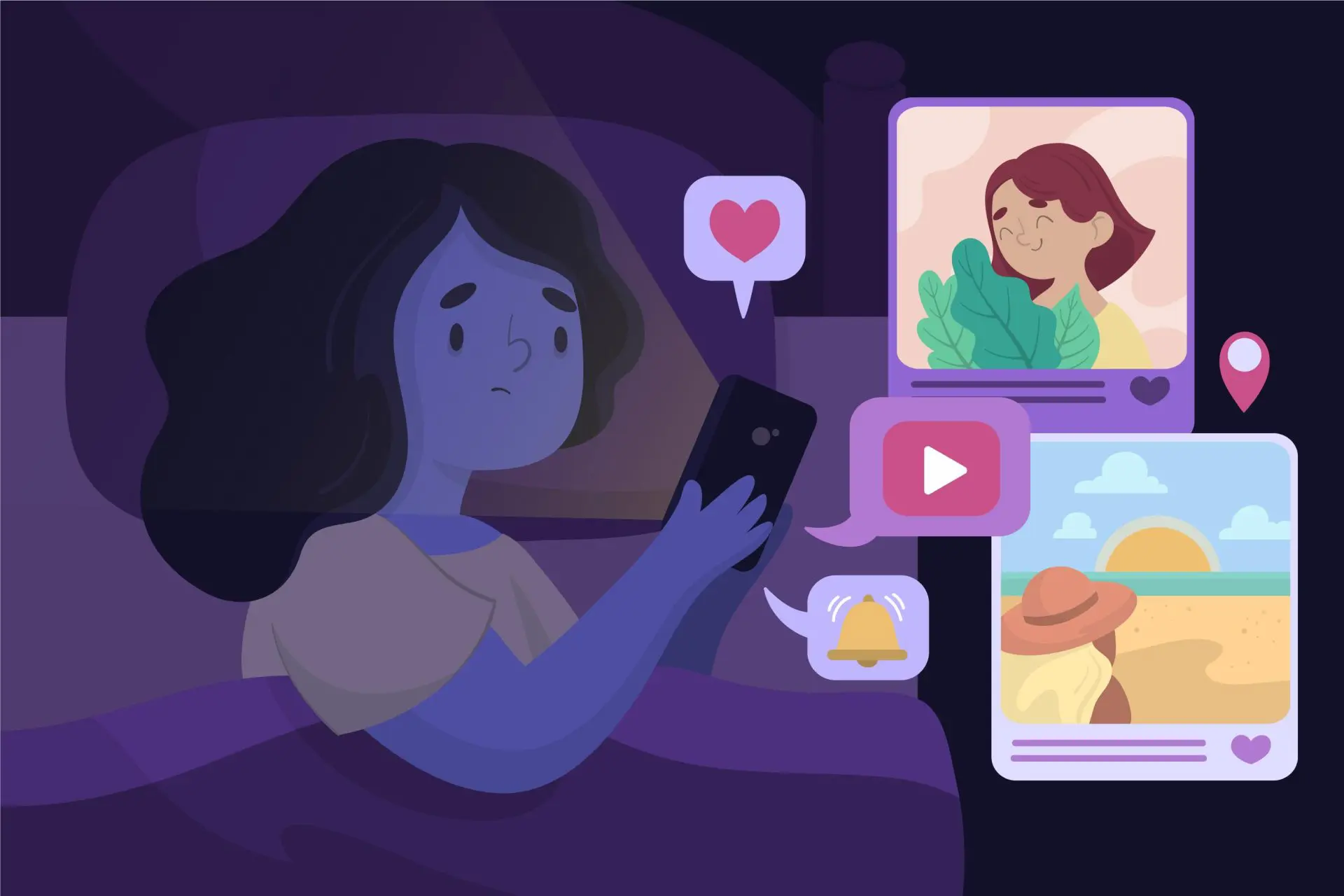
Screen Time: Quality Over Quantity
Remember your mum telling you to get off the screen before your eyes “turned square”? Yes… turns out she wasn’t completely wrong — just a little early to the conversation and maybe aiming at the wrong target :)
Now, you check your screen time stats, see that number creeping up, and immediately feel that little stab of guilt. “Too much again.” So you promise yourself you’ll cut it down tomorrow… and then tomorrow looks exactly like today.
In this article, we will check what’s really going on and figure out how to take back control without going full digital detox monk. So let’s get started.
Screen time isn’t the enemy
Not all screen time is created equal. When you watch a tutorial, work on a project, or video-call a friend — that’s productive, even meaningful. But endless scrolling, autoplay videos, and doomscrolling news feeds? Not really.
In 2026, the numbers paint a pretty scary picture of how much time we’re glued to our screens.
On average, adults around the world now spend nearly 7 hours a day looking at screens (not counting work stuff). Smartphones dominate the stats, with people checking their phones about 96 times a day and spending over 4.5 hours on them alone. Younger kids and teens are way above what scientists consider “healthy”.
Importantly, researchers note that 2–4 hours of screen time is where risks for anxiety, poorer sleep, and other issues start to creep up, and anything beyond about 6 hours correlates with even higher rates of mental health symptoms and lower life satisfaction.
Most of us are spending way more time than experts would recommend, and how we use that time matters just as much as how much we spend. In other words, it’s not the screen, but the binge.

What too much screen time actually does to you
You don’t need a lab coat to feel the effects, as your body keeps receipts.
First up: your eyes. Long hours glued to screens can lead to digital eye strain = dry eyes, headaches, blurry vision, and that lovely neck pain from hunching like a shrimp over your phone.
Then there’s sleep. Screens, especially before bed, mess with melatonin, the hormone that tells your brain it’s time to shut down. The result? You’re tired, wired, and wondering why your brain won’t clock out.
And let’s not skip mental health. Higher screen time, especially past 5 hours a day, is linked to lower well-being and higher chances of feeling low, anxious, or just off .
It’s like eating junk food. Once in a while, after a long week? Fine. All day, every day? Not so great.
It steals more than time
Screen time doesn’t just fill your day, but replaces things. Time you could spend moving your body, having real conversations, or just letting your brain breathe.
Research shows that spending too many hours with devices not only increases the risk of physical discomfort (like eye strain and neck or back pain) and mental health issues (such as anxiety or low mood) but also affects our social relationships and cognitive development.
When screen time gets excessive, it can reduce opportunities for meaningful face‑to‑face interaction. That loss of in‑person connection may create feelings of isolation or weakened social support networks.

Too much screen time can also interfere with how we think and process information. For example, it’s been linked with poorer attention, reduced creativity, and challenges in executive functions like planning and focus.
For kids and teens, it can affect attention, creativity, and problem-solving skills because it replaces activities that teach those things.
Basically, when screens take over, we lose out on the stuff that actually makes us feel connected, sharp, and happy.
Should you just quit screens altogether?
Let’s not get overdramatic.
Screens are everywhere for a reason: they keep us connected, help us get work done, learn new things, and even unwind after a long day. Imagine trying to do your job, pay bills, or catch up with friends without them — it would be a mess :)
The goal isn’t to ditch screens completely; it’s to stop letting them run the show. Instead of mindlessly scrolling for hours, you want to use them intentionally. That could mean setting small boundaries, like no phones at the dinner table, turning off notifications during work, or using apps that block distractions. Think of it like having a tool in your toolbox: you wouldn’t throw away a hammer just because it could hurt you if used wrong. You just learn to use it properly.
Balance is the key. Some screen time is productive, some is fun, some might even be mindless, but by being mindful about how and when you use your devices, you can enjoy the benefits without letting them steal your focus, sleep, or social life.
How to actually cut down screen time (without losing your mind)
“Just use your phone less” is about as helpful as “just relax” during a crisis. So we prepared better advice :)
To put it simply, you want friction. Small barriers that make mindless scrolling just inconvenient enough to snap you out of autopilot. There are tools designed to make your digital life quieter and more intentional.
1. Stands AdBlocker
Tools like Stands Adblocker help clean up your browsing experience by removing ads, popups, and those sneaky “recommended” sections that pull you in. It’s a small change, but it makes a big difference. Less noise = fewer triggers to drift into autopilot.

2. Focus apps and digital detox tools
Apps like Forest, Freedom, or Focus@Will can help you set boundaries, block time-wasting apps, or create a distraction-free environment. Even small changes like turning off notifications for non-essential apps can dramatically improve focus. Pairing these with an ad blocker creates a digital space that encourages intentional use rather than autopilot scrolling.
3. Content filters and reader modes
Browser extensions like Reader Mode, or minimalist news apps, reduce visual clutter and make long-form reading more enjoyable.
4. Mindful scheduling
Set time blocks for specific activities. Research shows that using screens for defined purposes (learning, work, socializing) improves attention and reduces fatigue compared to unstructured usage. Meaning, a 30-minute block for social apps is far better than random, scattered scrolling all day.
Conclusion
If you remember one thing, let it be this: screen time isn’t the problem. Mindless screen time is.
The goal isn’t to stare at your usage stats like they’re a final exam score, but to actually feel better after using your devices.
You can spend hours online and come away feeling informed, connected, and energized, or you can spend the same amount of time scrolling aimlessly and feel like the day somehow slipped through your fingers without leaving anything meaningful behind.
So instead of asking whether you should cut down your screen time, it’s worth asking a slightly different question:
Was that time actually worth it?

