
 Home »
What is Private DNS? Meaning, Safety & 2026 Setup
Quick Answer
What is Private DNS? It is a networking protocol that encrypts your DNS queries using DNS over TLS (DoT) or DoH. Unlike standard DNS, it prevents ISPs and hackers from monitoring your browsing history. For maximum security, you should use Strict Mode with a verified provider hostname.
- What Is Private DNS, Really?
- DoT vs. DoH: Which Is Better?
- Should Private DNS Be On or Off?
- The Automatic Mode Fallback Trap
- Standard DNS vs. Private DNS
- How to Set Up Private DNS on Android
- Choosing a Secure DNS Hostname
- Is Private DNS Actually Safe?
- What Private DNS Can't Hide
- Pair Private DNS With Stands
- FAQ: Private DNS Questions
What Is Private DNS, Really?
Private DNS is a basic privacy feature that locks up your web requests so other people cannot read them :)
Every time you type a website name into your phone or browser, your device looks up that name to find a set of numbers called an IP address. Standard lookups send these requests out in plain text. Anyone on your local network path—from your home Internet Service Provider (ISP) to the owner of a coffee shop Wi-Fi network—can see every single site you visit.

Private DNS stops this exposure by placing those web requests inside a secure tunnel. When you ask what private DNS is, think of it as a protective guard for your network connection. It makes sure that your web lookups stay private between your phone and your chosen private resolver. Privacy isn't automatic; it's a setting you have to choose :)
DoT vs. DoH: Which Is Better?
When you turn on encrypted lookups, your phone uses one of two main tools: DNS over TLS (DoT) or DNS over HTTPS (DoH). Both use Transport Layer Security (TLS) to lock up your traffic, but they send your data across the internet in different ways.
| Protocol | Port | Security Profile |
| Plain Unencrypted DNS | Port 53 | Open to ISP Browsing History Logs |
| DNS over TLS (DoT) | Port 853 | Dedicated Secure Pipeline |
| DNS over HTTPS (DoH) | Port 443 | Hidden Inside Web Traffic |
DNS over TLS (DoT)
DoT puts your web requests inside a dedicated security tunnel over Port 853 (set by RFC 7858). Because it uses its own special port, network firewalls can easily see DoT traffic. This dedicated path makes DoT quick for your phone to process, but it also makes it easy for strict Wi-Fi networks to block it.
DNS over HTTPS (DoH)
DoH hides your web requests inside standard web traffic on Port 443. Because almost all web traffic uses Port 443, a network owner cannot block DoH without shutting down access to the web entirely.
Different devices handle this in different ways. Android uses DoT to cover your whole phone at the system level. Desktop web browsers like Firefox and Chrome prefer DoH to keep your browser searches safe without changing your main system settings :)

Should Private DNS Be On or Off?
If you keep your phone on default settings, your internet connection sends plain, unlocked DNS requests every day. You might think your ISP just routes your traffic and minds its own business, but that is rarely true.
ISPs routinely log, analyze, and sell your lookup data. Every time your phone connects to a website, your ISP logs the exact domain and time. They build detailed profiles on your personal habits, health searches, and shopping interests, selling those profiles to ad networks.
When you leave this setting off, you expose your device to network eavesdropping. Man-in-the-middle attacks become easy on open public networks, where attackers intercept plain requests and redirect your phone to fake phishing websites.
So, should private dns be on or off? You should turn it on right away :) Leaving it off gives your private browsing history to your network provider on a silver platter.

The Automatic Mode Fallback Trap
Why "Automatic" silently fails
Most people turn on the feature, pick "Automatic," and walk away. They assume their phone handles everything safely behind the scenes. That assumption leaves a huge hole in your security.
On Android, "Automatic" mode uses opportunistic encryption. When your phone connects to a network, it tries to use DoT on Port 853 with whatever server your local router gives it. If that server supports DoT, your traffic is locked up. But if the router ignores Port 853—or blocks it on purpose—Android silently switches back to plain, unlocked DNS.
Your phone gives you no warnings, your screen shows no error messages, and your phone keeps working, BUT your security disappears :)
Automatic Mode: Phone --(Port 853 Request)--> Router Firewall (Blocked!)
Phone --(Silent Fallback)----> Unencrypted Plain Text DNS
Strict Mode: Phone --(Port 853 Request)--> Hostname (TLS Verified)
Phone --(TLS Fails)----------> Network Connection Stops (Safe!)
This automatic fallback creates a setup for a downgrade attack. An attacker running a fake Wi-Fi network can simply block Port 853. Your phone assumes the server does not support security and quietly hands all your web searches to the attacker in plain text.
I tested Automatic mode against a blocked port 853 and watched it fall back silently in under two seconds. The phone showed a normal Wi-Fi icon while sending every single site request out in open, readable text.

To fix this gap, switch to Strict Mode by typing in a specific private DNS provider hostname. Strict mode enforces a simple rule: if your phone cannot build a safe TLS Handshake with your chosen server, it stops the connection entirely. You trade quick network connections for real security. Learning this private DNS mode setup helps you protect your phone the right way :)
Standard DNS vs. Private DNS
The basic differences between regular lookups and encrypted lookups come down to data access, port routing, and protection against local network tampering.
| Feature | Standard DNS | Private DNS (Strict Mode) |
| Data Visibility to ISP | Full domain names visible in plain text | Encrypted (ISP sees destination IP, not website query) |
| Transport Protocol | UDP / TCP Port 53 | DoT (Port 853) / DoH (Port 443) |
| Encryption | None (Plain Text) | TLS Encryption |
| Vulnerable to Downgrade | High (No built-in safety check) | Zero in Strict Mode (Stops working if blocked) |
| Protection Against MITM | None | High (Verifies server security certificates) |
| Typical Speed Impact | Baseline speed | Microsecond difference during initial setup |
How to Set Up Private DNS on Android
Setting up system-wide encrypted lookups on Android 9 (Pie) and newer takes less than two minutes. Follow these steps to leave the Automatic fallback trap behind and turn on Strict mode:
- Open your device Settings.
- Tap Network & Internet (or Connections on some phones).
- Scroll down and tap Private DNS.
- Select Private DNS provider hostname.
- Type your chosen hostname into the text box (for example, one.one.one.one or dns.google).
- Tap Save :)
- Test your setup by opening your browser and using a connection checker.
If you want to see a tested list of top providers, check out our guide to the Best Private DNS for Android.

Choosing a Secure DNS Hostname
When you turn on Strict mode, your phone connects directly to a specific server address. Here are three trusted options you can use:
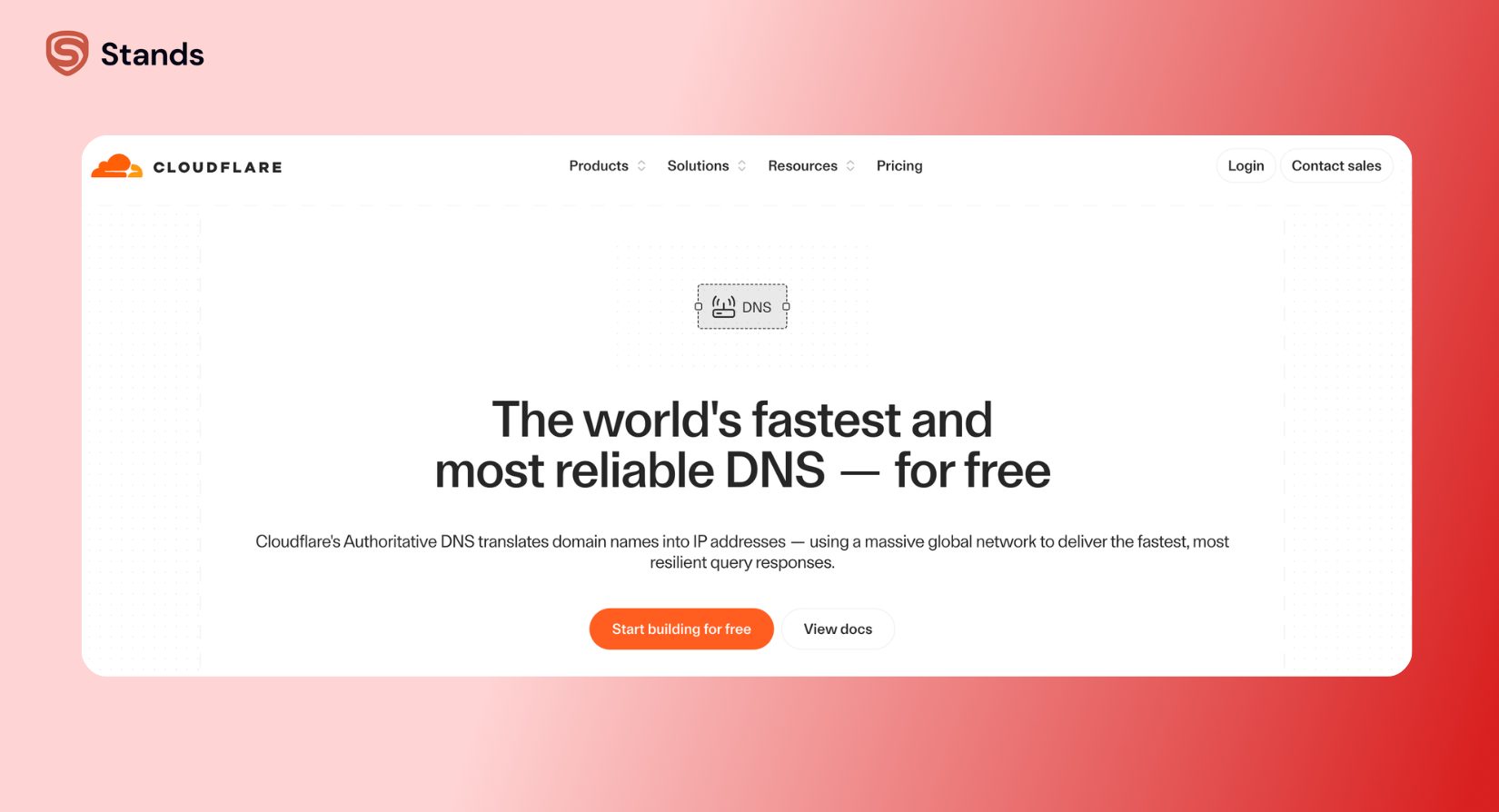
- Cloudflare: 1dot1dot1dot1.cloudflare-dns.com or one.one.one.one
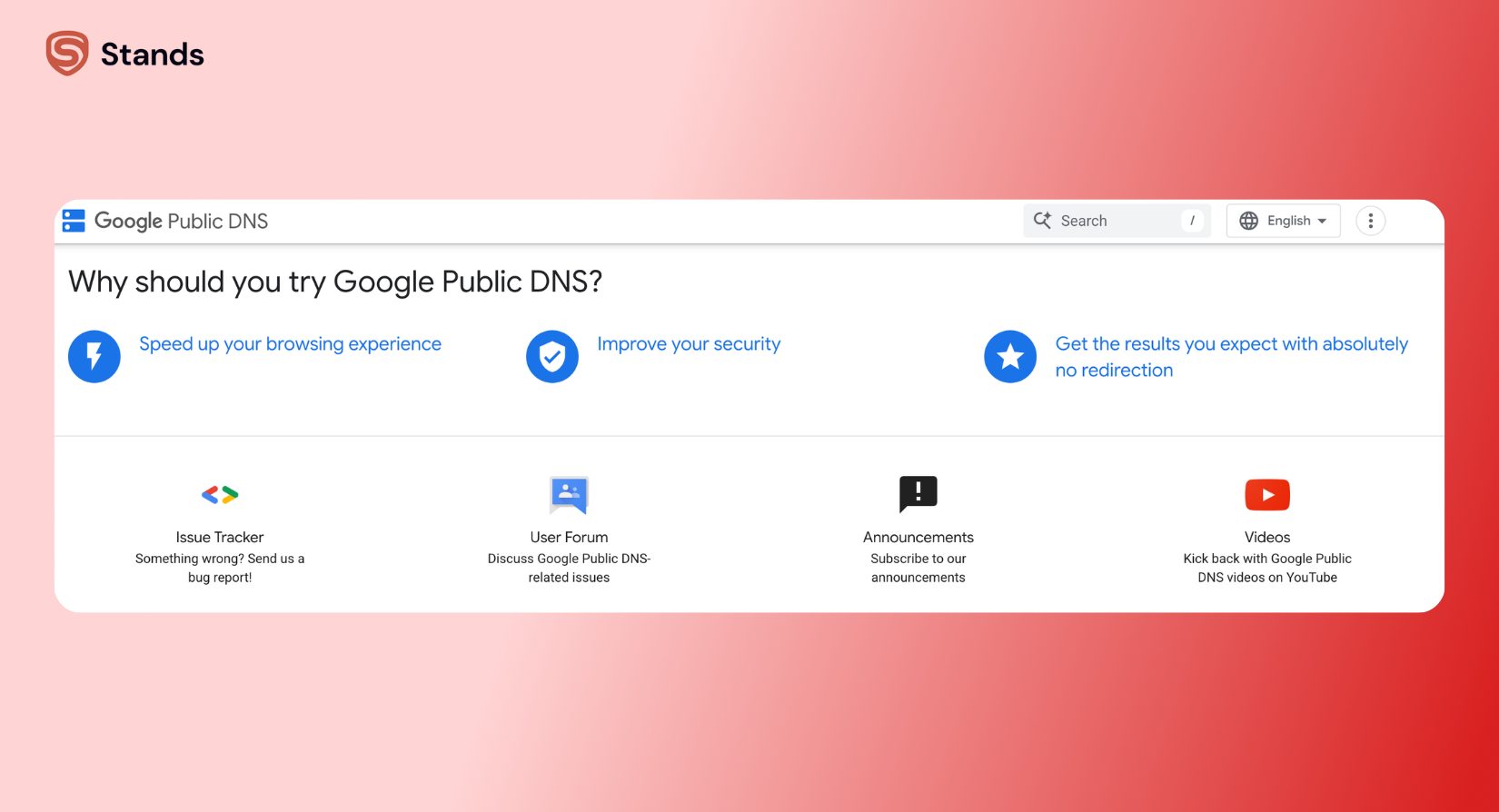
- Google Public DNS: dns.google (See how it works in the Google Public DNS Documentation)
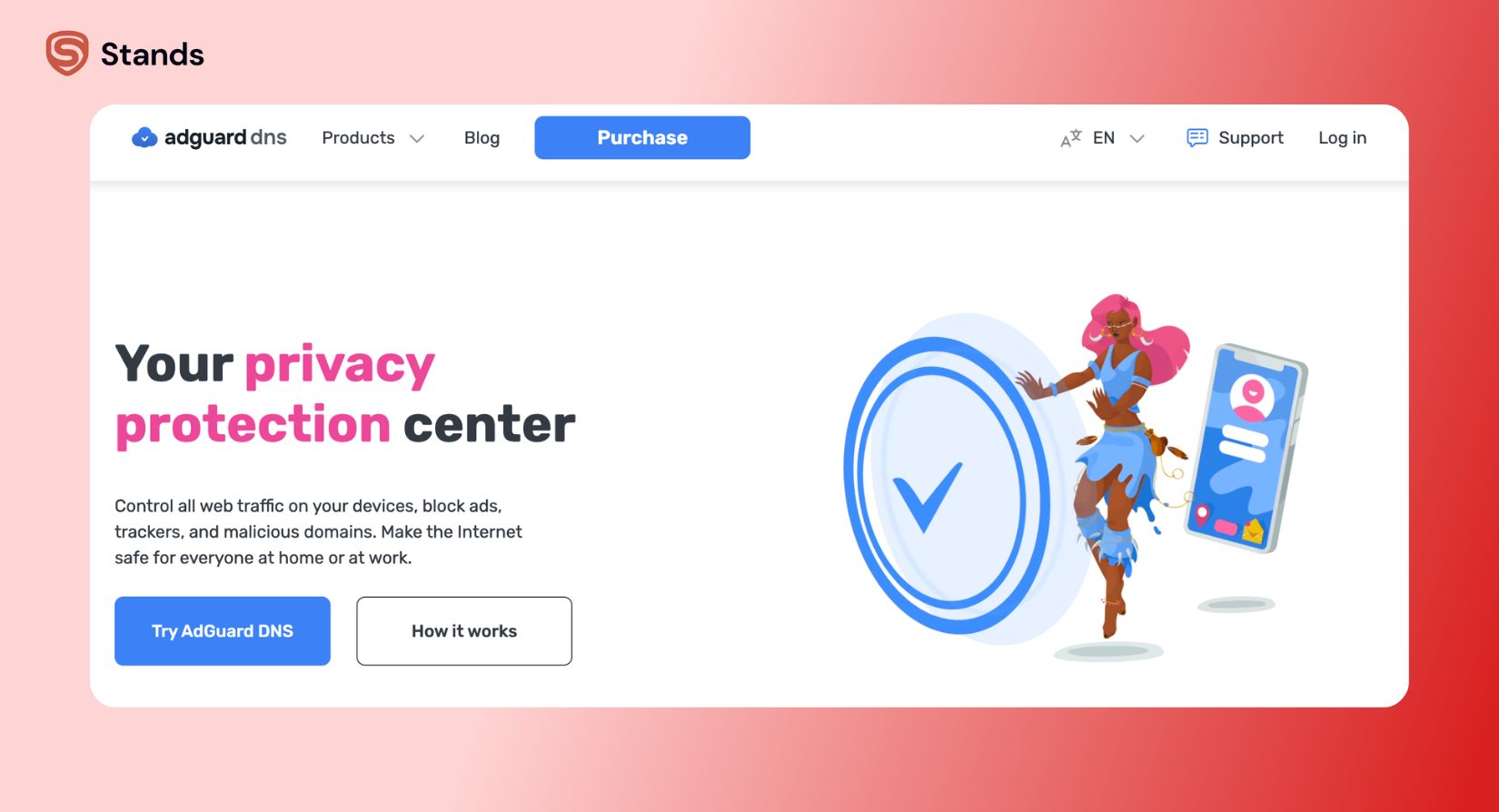
- AdGuard DNS (Default Block): dns.adguard-dns.com
Picking a hostname means deciding who you trust with your lookups: an independent provider or your local ISP. A private server still sees your requests, but privacy-focused companies publish strict zero-log rules and undergo independent privacy audits. Your local ISP follows no such rules and often sells your data for profit. If you want to see how companies build secure network backends, check out Oracle's Private DNS Documentation.
Is Private DNS Actually Safe?
When setting up their devices, many users ask us: is private DNS safe to use?
The direct answer is yes! It is far safer than using standard plain lookups over Port 53. However, picking a custom provider shifts who sees your network traffic. It does not hide your queries completely; it moves them to a company you picked :)
Standard Path: Phone --(Plain Text)--> ISP / Local Router --(Tracked)--> Web
Encrypted Path: Phone =====(Encrypted DoT/DoH Tunnel)=====> Trusted Server
If you type in a shady third-party private dns provider hostname, that operator gets full access to log your web requests, redirect your traffic to risky pages, or inject tracking ads. Unknown free providers often make money by harvesting the exact data you tried to shield from your ISP.
Stick to reputable providers with public privacy commitments. Encryption protects your connection on the network path; picking a good operator makes sure your server endpoint stays clean. Learn more about how privacy-first systems operate in Stands' Stand on Privacy.

What Private DNS Can't Hide
While encrypted resolution locks down your network queries, it does not offer complete online invisibility. Understanding the true scope of your "private DNS meaning" means taking an honest look at what encryption cannot hide.
How Encrypted Client Hello (ECH) Closes the Last Gap
Even when your domain requests travel inside an encrypted DoT tunnel, a local network monitor can still guess which website you visit during your main connection setup.
For years, when your browser started an HTTPS connection with a web server, it sent a piece of data called the Server Name Indication (SNI). The SNI header tells the server which security certificate to show your browser. Crucially, SNI used to travel in plain text.
[ Encrypted DNS Request ] ---> Hides site lookup from ISP (Protected by DoT)
[ Standard Web Handshake ] ---> Plain SNI header shows domain to ISP! (Exposed)
[ TLS 1.3 + ECH Enabled ] ---> Encrypts SNI inside Client Hello (Protected!)
An ISP watching your Wi-Fi router might miss your initial lookup for example.com, but the moment your browser opens a connection to that server IP, the plain SNI header shouts example.com to the whole network. This metadata leak undermined much of the privacy you gained from encrypted lookups :)

To fix this problem, web engineers created Encrypted Client Hello (ECH), an extension for TLS 1.3. ECH locks up the SNI header inside a key retrieved during your secure DNS lookup. When ECH works, network observers only see that you connected to a generic cloud IP, without seeing the specific website host.
However, ECH support is still growing across web servers and browsers. Neither Private DNS nor ECH hides your destination IP address or connection times. Someone tracking your network can still analyze packet sizes and server IPs to map out your web activity.
Encrypted DNS, an ECH-capable browser, and dedicated ad blocking work together to build a reliable defense—relying on just one leaves open gaps.
Pair Private DNS With Stands
Encrypted network settings and ad blockers tackle two separate parts of online tracking:
- Private DNS protects the where—it hides your site lookups and shields your network requests from local monitors.
- Stands AdBlocker protects the what—it blocks annoying ads, tracking codes, and fingerprinting scripts inside your web pages :)
| Privacy Layer | Technology | Function |
| Network Level | Private DNS (DoT/DoH) | Locks down domain lookups |
| Transport Level | Encrypted Client Hello (ECH) | Encrypts SNI web headers |
| Content Level | Stands AdBlocker | Blocks ads, trackers, and scripts |
When you visit a website, encrypted DNS keeps your ISP from tracking the lookup request. But once the web page loads, tracking scripts execute inside your browser, sharing data with ad companies to build shopping profiles. Read our guides on how tracking cookies work and how ad blockers work to learn more.
Pairing encrypted setup options with Stands AdBlocker stops tracking across your network routing and web page code. If you browse the web mainly on your phone, using Stands' Android browser makes sure tracker blocking and encrypted lookups run together smoothly without slowing down your phone :)
For more setup tips and community insights, check out user discussions on Reddit's Private DNS Overview.
FAQ: Private DNS Questions
Does Private DNS slow down my connection?
No. In daily use, you will not notice a speed drop :) Setting up a secure TLS connection on Port 853 adds a fraction of a millisecond to your first request. However, public providers (like Cloudflare or Google) use faster servers than standard ISP networks. Most users notice faster page responses overall!
Can my ISP still see anything if Private DNS is on?
Yes. Your ISP can still see the target IP address your phone connects to, the amount of data sent, and exact connection times. If your browser or the site server lacks Encrypted Client Hello (ECH) support, your ISP can also read the domain name in the plain SNI header during setup.
What happens if I turn Private DNS off?
If you turn off custom resolution, your phone defaults to unencrypted lookups over Port 53 using whatever server your local Wi-Fi or mobile network assigns. Your ISP and local network owners can view, log, and alter your web requests freely :)
Is Automatic mode still worth using, or should I always set Strict mode?
You should always use Strict mode with a verified hostname. Automatic mode relies on opportunistic fallback; if your local network blocks Port 853, your phone silently switches back to plain text lookups without telling you. Strict mode stops connection attempts instead of sending your data out in open text.

