
 Home »
Digital Minimalist Summer: How to Enjoy More of Life and Less of Your Screen
Summer has a funny way of exposing our habits.
We spend all winter dreaming about beach days, road trips, backyard barbecues, and long evenings outdoors. Then summer finally arrives, and somehow we end up spending hours scrolling through other people's vacations instead of enjoying our own.
If that sounds familiar, you're not alone. Despite having more opportunities to disconnect, many people actually carry their digital habits into summer without realizing it. The result is a season filled with distractions, constant notifications, and the nagging feeling that time is moving faster than it should.
Digital minimalism means being more careful with the tools you use and making sure technology helps you reach your goals instead of always fighting for your attention.
And if there's one season that's perfect for resetting your digital habits, it's summer.
- What Is Digital Minimalism?
- Why Summer Is the Perfect Time for a Digital Reset
- The Cost of Digital Clutter
- What a Digital Minimalist Summer Actually Looks Like
- Best Tools for a Digital Minimalist Summer
- Five Ways to Start Your Digital Minimalist Summer
- The Digital Minimalist Summer Challenge
- Conclusion
What Is Digital Minimalism?
The concept of digital minimalism was popularized by Cal Newport in his bestselling book Digital Minimalism: Choosing a Focused Life in a Noisy World. Basically, digital minimalism is a way of thinking that encourages people to use technology intentionally rather than mindlessly.
Instead of just asking if a new app is useful, digital minimalists ask if it is worth the time and attention it takes.
Endless scrolling, videos that play automatically, personalized suggestions, alerts, and content chosen by algorithms all fight for one limited thing: your attention.

Researchers have studied more and more how digital platforms affect attention and behavior, finding that many online spaces are made to keep you engaged instead of helping your well-being. These design choices can make it hard to use technology on purpose without setting limits.
Digital minimalism doesn't require abandoning technology. Instead, it encourages people to become the decision-makers again.
Why Summer Is the Perfect Time for a Digital Reset
Most people see January as the time for self-improvement, but summer might actually be a better time for real lifestyle changes.
Daily routines usually become more flexible, the weather invites outdoor activities, and vacations naturally give a break from work. Longer daylight hours make it easier to spend time outside, meet friends, try new hobbies, and do things that don’t involve screens.

In other words, summer already creates many of the conditions that digital minimalism encourages.
Rather than fighting against digital distractions during busy work weeks, you can use the season's natural rhythm to establish healthier habits that continue throughout the year.
Studies on behavior change show that changing your environment can make habits easier to start and keep. When your surroundings help you achieve your goals, you don’t have to rely on willpower as much.
The Cost of Digital Clutter
Most people assume the biggest problem with excessive screen time is the number of hours it consumes.
In fact, the bigger problem is often your attention being broken up.
Every notification, social media check, and quick look at a news feed interrupts your focus. Even if each interruption lasts only a few seconds, those moments add up throughout the day.
Instead of fully enjoying a conversation, meal, walk, or vacation, part of your attention stays connected to your device.

This effect is especially clear in summer because chances for meaningful experiences are everywhere. Whether you’re traveling, with family, at events, or just enjoying nice weather, constant digital interruptions can make those moments feel less special.
The average person checks their phone ~85 times per day, with most interactions extremely short (often under 30 seconds), creating a cycle of switching attention that can leave people feeling mentally tired even when their work isn’t hard.
Signs your summer might need a digital reset
| Sign | What It Looks Like |
| You reach for your phone automatically | Checking apps becomes a reflex whenever there's a moment of boredom. |
| Vacations feel less relaxing than expected | Work messages and social media continue to follow you everywhere. |
| Outdoor activities compete with screen time | Beautiful weather is often spent indoors scrolling. |
| You struggle to focus on books or conversations | Your attention feels pulled toward notifications and updates. |
| Social media leaves you feeling drained | Instead of feeling inspired, you feel overwhelmed or distracted. |
If several of these sound familiar, a digital minimalist approach may be worth exploring.
What a Digital Minimalist Summer Actually Looks Like
Many people imagine digital minimalism as a strict set of rules, while in reality, it looks surprisingly normal.
You still use maps when traveling. You still take photos of special moments. Still message friends and family. And you still enjoy entertainment when it genuinely adds value to your life.
The difference is that technology becomes a tool instead of a default activity.
Typical Summer vs. Digital Minimalist Summer
| Typical Digital Summer | Digital Minimalist Summer |
| Scrolling during downtime | Choosing activities intentionally |
| Constant notifications | Scheduled check-ins |
| Taking photos of everything | Being present for experiences |
| Checking work emails on vacation | Creating boundaries around work |
| Consuming content passively | Spending more time creating, exploring, and connecting |
Best Tools for a Digital Minimalist Summer
Technology itself isn't the enemy. In fact, some tools can help reduce distractions and create a healthier digital environment.
Stands AdBlocker
Website: https://www.standsapp.org
Online ads are made to grab your attention. Cutting down on ads can make browsing feel calmer, cleaner, and less distracting.
If you want a more focused online experience, Stands AdBlocker can help remove extra visual clutter and make browsing faster.

For additional strategies, check out Stands' guide on digital detoxing.
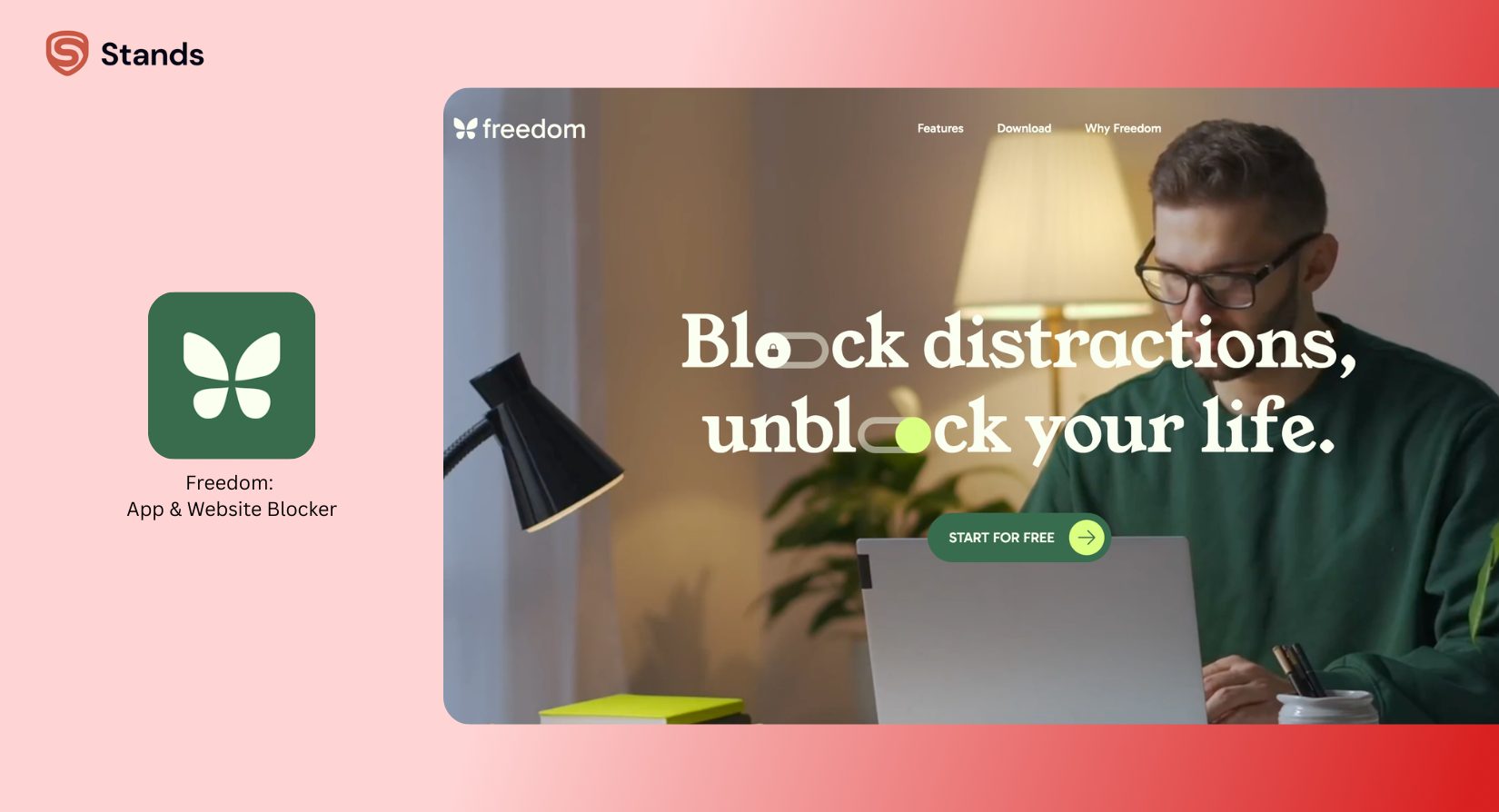
Freedom
Website: https://freedom.to
Freedom lets users block distracting websites and apps on many devices, making it easier to stay focused during work or free time.
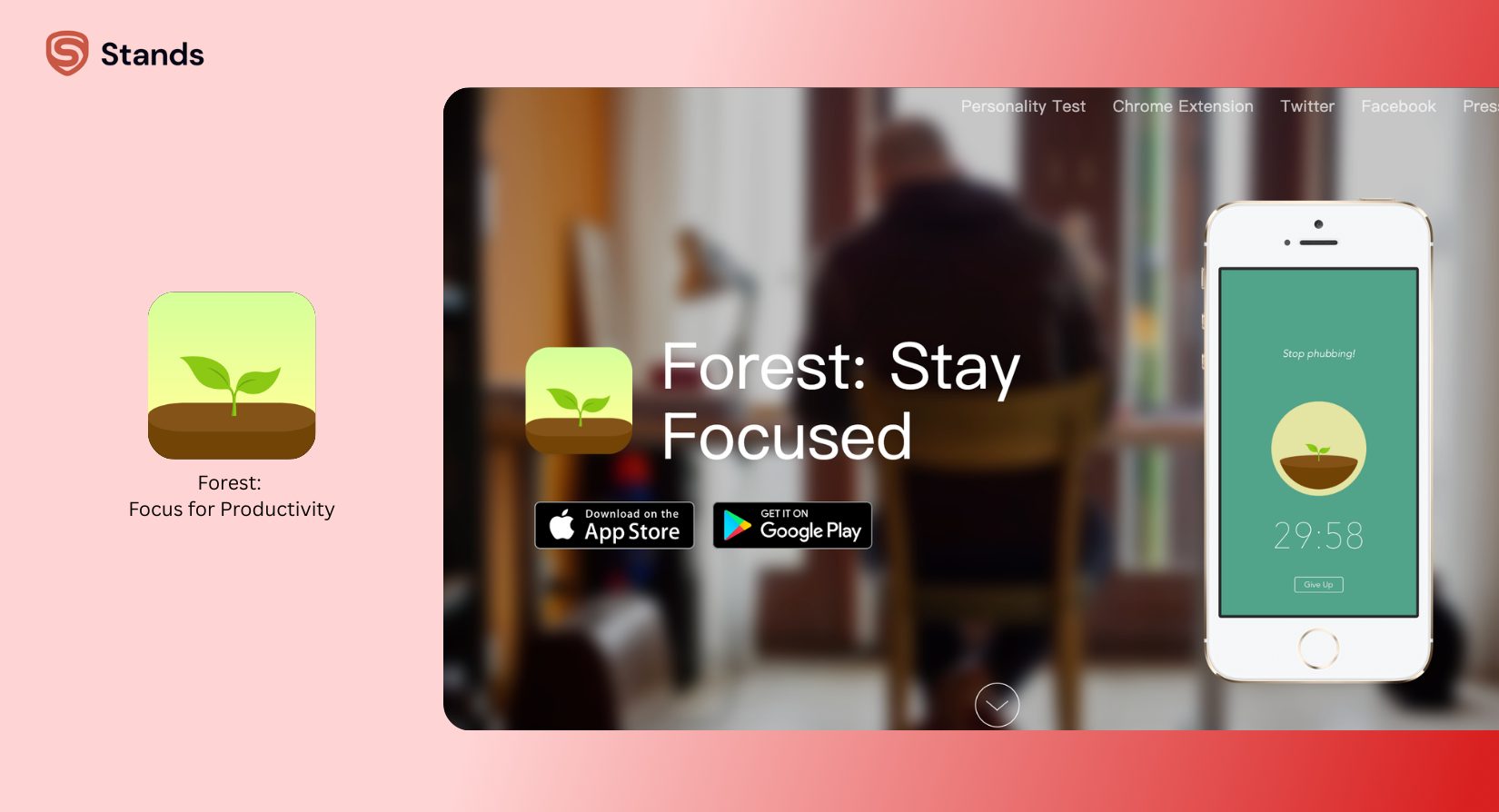
Forest
Website: https://www.forestapp.cc
Forest turns focus sessions into a simple challenge. Users grow virtual trees by avoiding distracting apps, making concentration feel a little more rewarding.
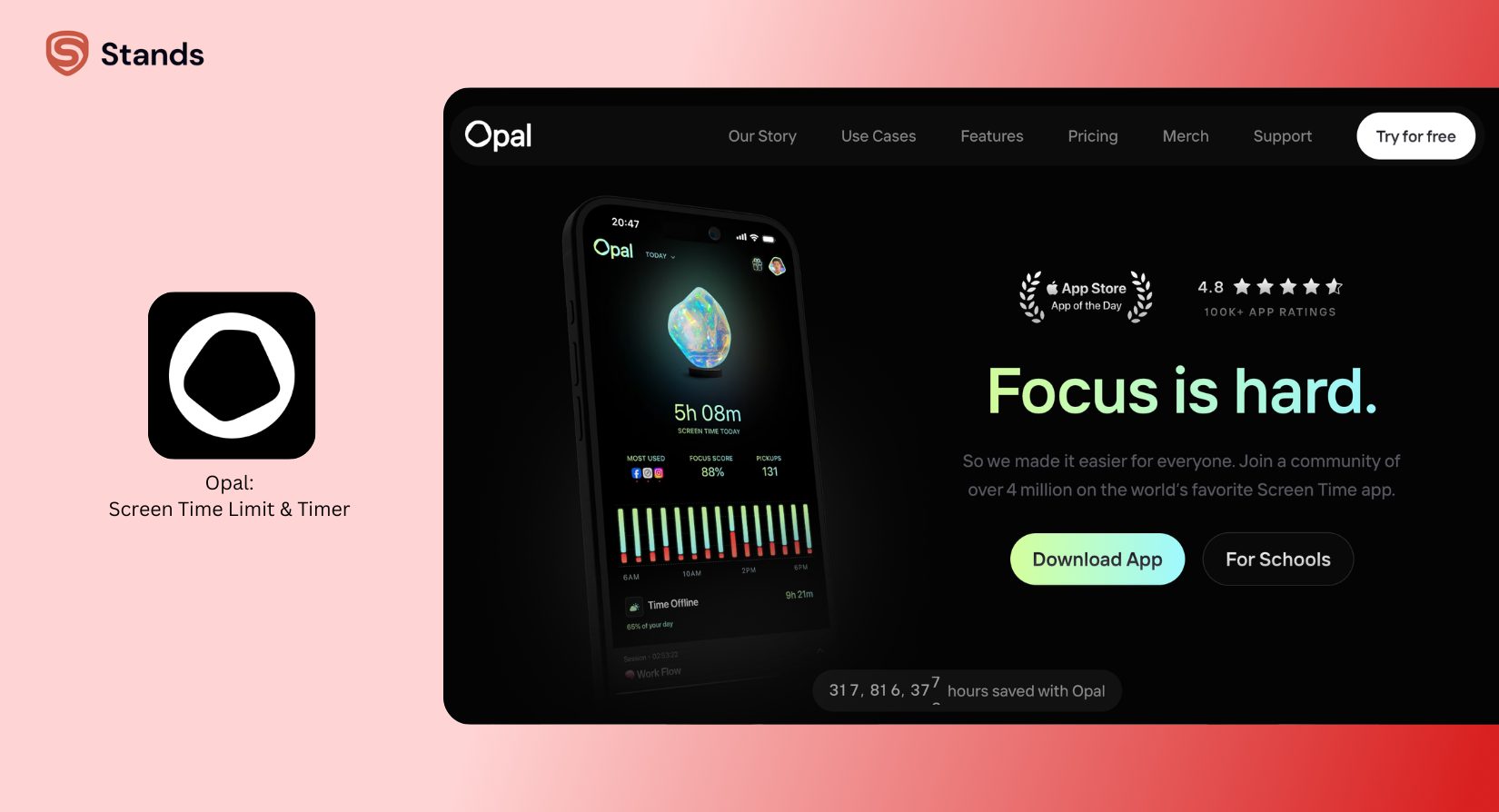
Opal
Website: https://www.opal.so
Opal helps users cut screen time with app-blocking, usage tracking, and focus tools made to encourage careful phone use.
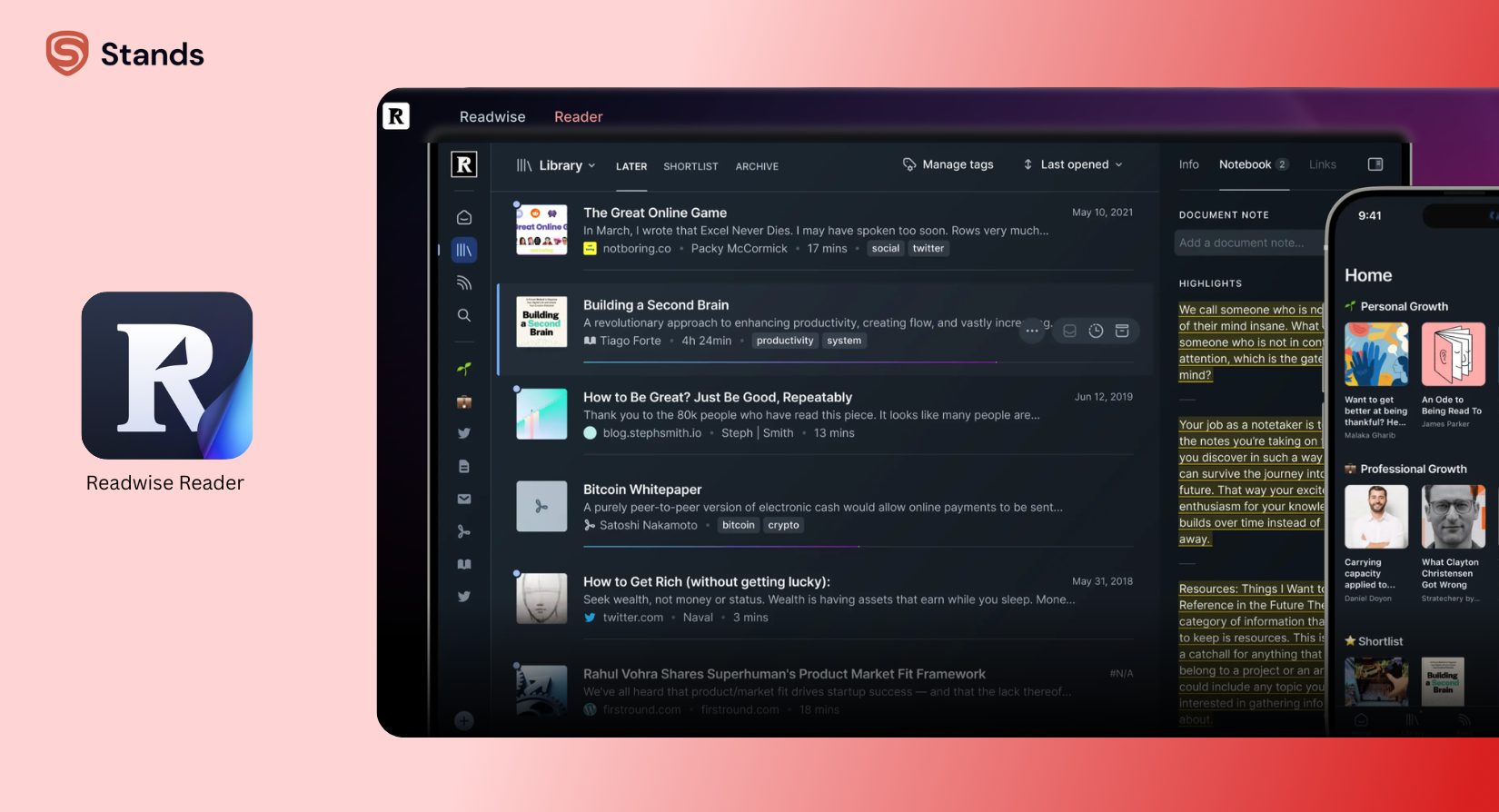
Readwise Reader
Website: https://readwise.io/read
If you want to use content more carefully, Readwise Reader offers a distraction-free way to save and read articles without the mess of social feeds and recommendation systems.
Five Ways to Start Your Digital Minimalist Summer
1. Protect the first hour of your day
How you start your morning often shapes how the rest of the day goes.
Many people wake up and immediately start checking emails, news feeds, social media alerts, and messages. Before they finish breakfast, many people, brands, and algorithms are already fighting for their attention.
Instead, try having the first hour of your day without screens.

Use that time for a walk, exercise, reading, writing in a journal, planning your day, or just enjoying a quiet morning. Many people find that cutting out early digital distractions makes their minds calmer and more focused all day.
2. Turn off most notifications
Most notifications are not urgent, but they still request attention.
Every notification makes you decide what to do, and hundreds of small decisions can quickly use up your mental energy.

A simple digital minimalist tip is to turn off all notifications that aren’t important and keep only the ones that really need your immediate attention.
For many people, this one change greatly cuts down phone use without extra effort.
3. Replace scrolling with something better
One reason digital detoxes often don’t work is that people stop habits without adding new ones.
Your brain naturally looks for stimulation, relaxation, and fun. If social media goes away but nothing takes its place, old habits usually come back.
Instead of thinking about what you’re giving up, think about what you’re adding.

Summer provides countless alternatives:
- Reading books
- Hiking local trails
- Learning photography
- Cycling
- Gardening
- Playing sports
- Cooking new recipes
- Spending time with friends
- Exploring local events
The goal is to spend more time doing things that feel important (or at least more fun than scrolling).
4. Create phone-free zones
Changing your surroundings can be surprisingly powerful.
Many digital minimalists establish specific locations where phones simply aren't allowed.
Popular examples include:
| Phone-Free Zone | Benefits |
| Bedroom | Better sleep and fewer late-night scrolling sessions |
| Dining table | More meaningful conversations |
| Backyard or patio | Encourages relaxation and mindfulness |
| Vacation activities | Greater presence and stronger memories |
| Reading spaces | Improved focus and concentration |
By changing your surroundings, you lower the number of decisions you have to make every day.
5. Audit Your Apps
Summer is a great time to check if your apps are really helping you.
Open your phone and look at every app individually.
Now, ask yourself:
- Do I use this intentionally?
- Does it improve my life?
- Would I miss it if it disappeared tomorrow?
- Does it support my goals or distract me from them?
You may be surprised by how many apps occupy space on your home screen without providing meaningful value.
The Digital Minimalist Summer Challenge
If you're not sure where to start, try this simple seven-day challenge.
| Day | Challenge |
| Monday | Remove five apps you rarely use |
| Tuesday | Spend the first hour of your day screen-free |
| Wednesday | Turn off non-essential notifications |
| Thursday | Eat every meal without your phone |
| Friday | Take a walk without headphones or screens |
| Saturday | Spend two hours outdoors without checking social media |
| Sunday | Review your screen time and identify your biggest distractions |
Small changes often lead to bigger results than extreme digital detoxes that are hard to maintain.
Conclusion
Summer gives us a limited number of sunsets, talks, adventures, vacations, and special moments. The more attention we give to alerts, algorithms, and endless scrolling, the less attention is left for the experiences that really matter.
A Digital Minimalist Summer means making sure technology stays in its right place.
When you become intentional about how you use your devices, you may discover something surprising: the best parts of summer were waiting for your attention all along.
If you're interested in building healthier digital habits, these articles provide practical next steps:
Together, these resources can help you build a digital space that supports your goals rather than constantly interrupting you.

