
 Home »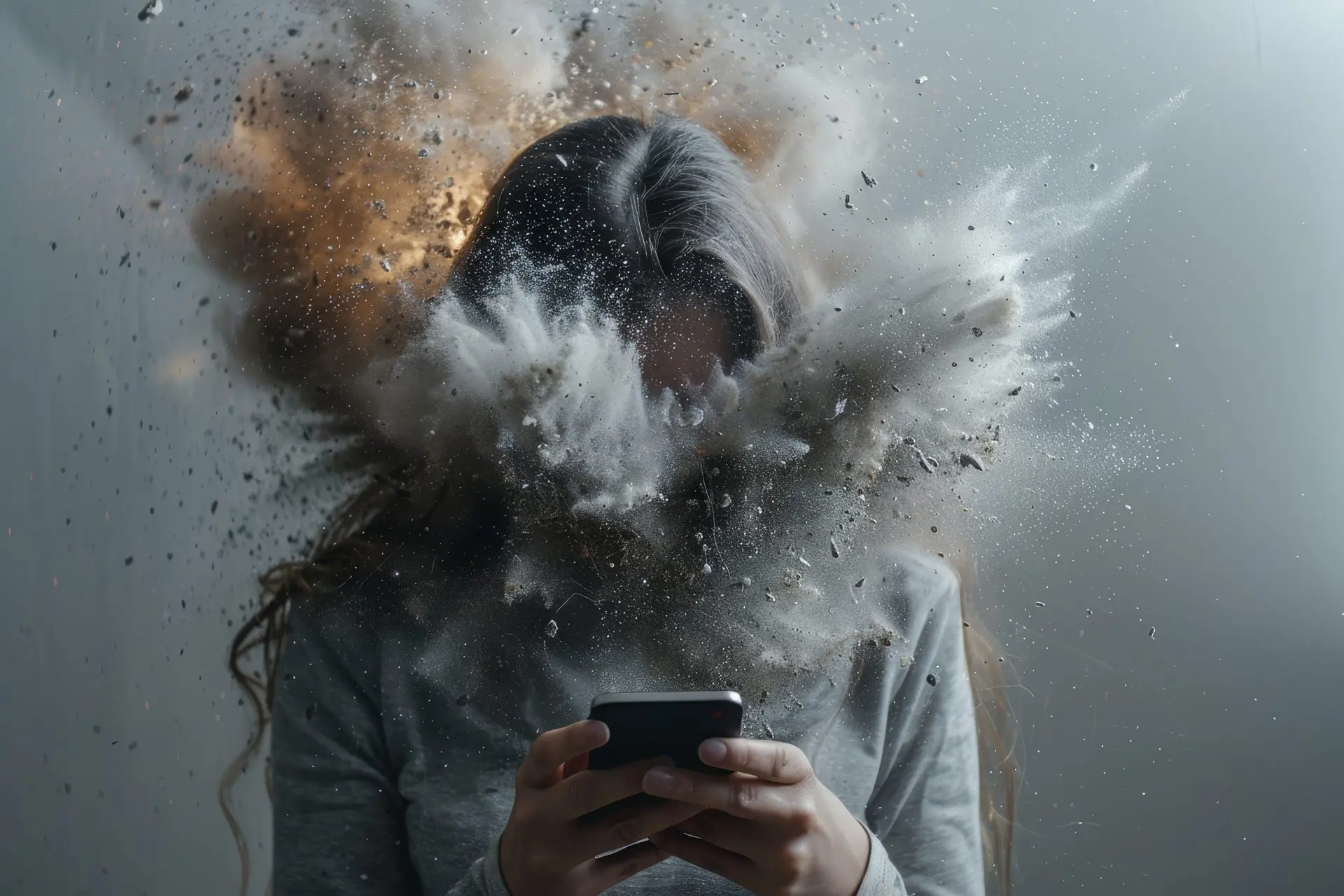
Social Media Burnout
Social media was supposed to help us stay connected, entertained, inspired, and informed. Somewhere along the line, though, it started feeling like a second job with terrible management. Notifications never stop, algorithms reward constant engagement, and every platform wants your attention all day, every day.
Recent research published in Scientific Reports found strong connections between problematic social media use, emotional exhaustion, anxiety, and what researchers now call “social media burnout.” Another 2025 study linked social media overload with reduced focus, mental fatigue, and lower engagement in everyday tasks.
In this article, we’ll check what social media burnout actually is, why modern apps feel so mentally exhausting, which signs you shouldn’t ignore, and which tools genuinely help create a calmer internet. Let’s get into it!:)
What Social Media Burnout Actually Feels Like
Burnout is tough to spot because most people keep using social media even as it happens. You open apps out of habit and scroll through content all day, but what was once fun slowly becomes exhausting before you even realize it.
You might check one notification, and twenty minutes later, you know all about a stranger’s skincare routine, their relationship drama, and their list of “top 10 pasta shapes with emotional support energy.” Meanwhile, you’ve forgotten why you picked up your phone in the first place.

This nonstop flow of information creates a kind of emotional noise. Your brain never gets a break because each scroll brings something new to react to, compare, worry about, laugh at, or remember for no real reason.
Researchers studying emotional exhaustion tied to social media addiction found that endless uncertainty, doomscrolling, and digital overload significantly increase psychological stress over time.
That’s why even just relaxing online can leave you feeling more tired than when you started.
Why Social Media Feels So Exhausting
Social media platforms aren’t built to help you feel calm, focused, or balanced. They’re made to keep you engaged, so anything that holds your attention longer gets rewarded.
Endless scrolling takes away natural breaks. Autoplay starts the next video before you even decide if you want it. Notifications break your focus many times a day, and algorithms quickly figure out which content gets a strong reaction and keeps you scrolling.
| Platform Feature | What It Does to Your Brain |
| Infinite scrolling | Removes natural “time to stop” signals |
| Autoplay videos | Encourages passive overconsumption |
| Push notifications | Fragments attention throughout the day |
| Engagement metrics | Fuels comparison and validation-seeking |
| Short-form content overload | Reduces sustained focus over time |
That’s why digital wellbeing experts now focus less on cutting screen time and more on avoiding attention traps.
This idea makes sense because most people don’t actually hate the internet. They just hate feeling like it takes over their minds.
Internet Is Emotionally Loud
One big reason social media burnout feels so intense is that online spaces now mix entertainment, work, relationships, identity, news, productivity, and ads into a nonstop stream.
You might reply to work messages, watch cooking videos, compare yourself to influencers, read alarming headlines, and see ads for a chair you looked at months ago — all at once. Your brain keeps switching emotional gears, and that kind of multitasking is tiring, even if it feels passive.
A 2025 report from The Guardian explored how creators and influencers increasingly struggle with burnout because internet culture rewards nonstop visibility and constant engagement.

But this pressure isn’t just on creators anymore. Regular users also feel the need to be “always available,” especially now that social media mixes with work, networking, and daily conversations.
That’s why burnout often shows up physically before people fully recognize it mentally. Poor sleep, reduced concentration, irritability, brain fog, and feeling emotionally “full” all commonly appear alongside excessive screen exposure. According to research covered by Healthline, prolonged digital stimulation is strongly connected to stress and disrupted recovery cycles.
Tools That Help Reduce Social Media Burnout
Most people try to beat burnout with willpower alone, but that usually lasts about eleven minutes before habit takes over, and TikTok is open again.
A better way is to change your digital environment so your brain isn’t always battling distractions. The right tools won’t magically fix social media burnout, but they can reduce the constant interruptions and overload that make it worse.
Ad blockers reduce mental clutter
One of the quickest ways to make the internet feel calmer is to cut down on things that constantly demand your attention.
Websites and social feeds are full of autoplay ads, popups, tracking banners, clickbait, sponsored posts, and endless recommendations meant to keep you engaged. Even if you try to ignore them, your brain still notices all the background noise.
Tools like Stands AdBlocker can block annoying ads and distractions, which makes browsing feel much less overwhelming over time.
It might seem like a small change, but your brain no longer has to dodge a dozen flashing banners just to read one article about productivity while you procrastinate.
Focus apps help interrupt autopilot behavior
A lot of social media use isn’t intentional now. People open apps automatically whenever they’re bored, because their brains learned the habit long ago.
That’s why tools like One Sec are surprisingly effective. Instead of blocking apps aggressively, One Sec inserts a short pause before opening addictive platforms, giving your brain a second to ask, “Do I actually want to open this right now?”
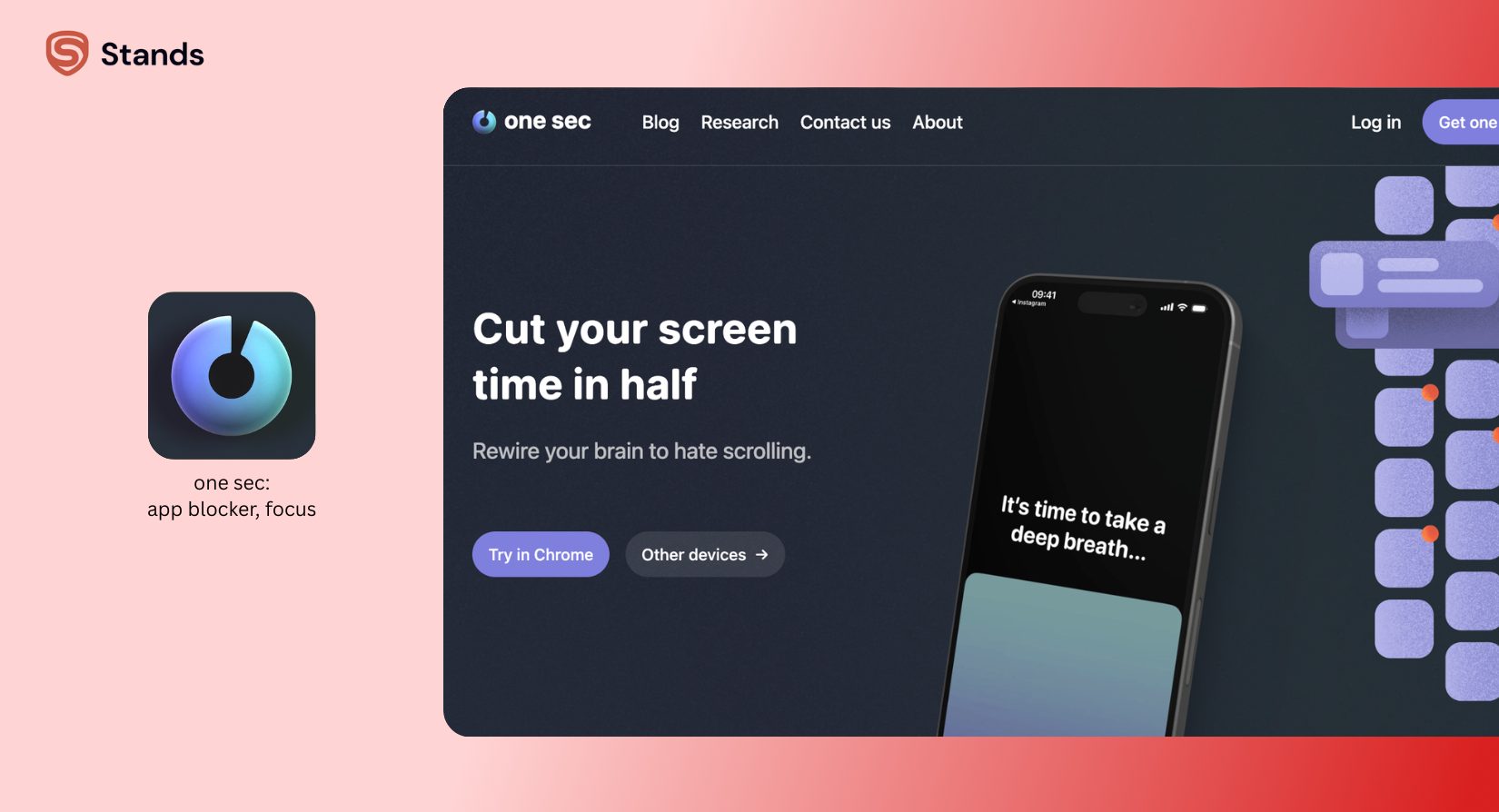
That small pause matters more than you’d think because it stops automatic scrolling before it even starts.
Website blockers create healthier boundaries
Sometimes, the problem isn’t social media itself. The real issue is that distracting platforms sneak into every part of your day — work, studying, and even downtime.
Tools like Freedom let users temporarily block distracting apps and websites across devices, making it easier to create periods of uninterrupted focus.
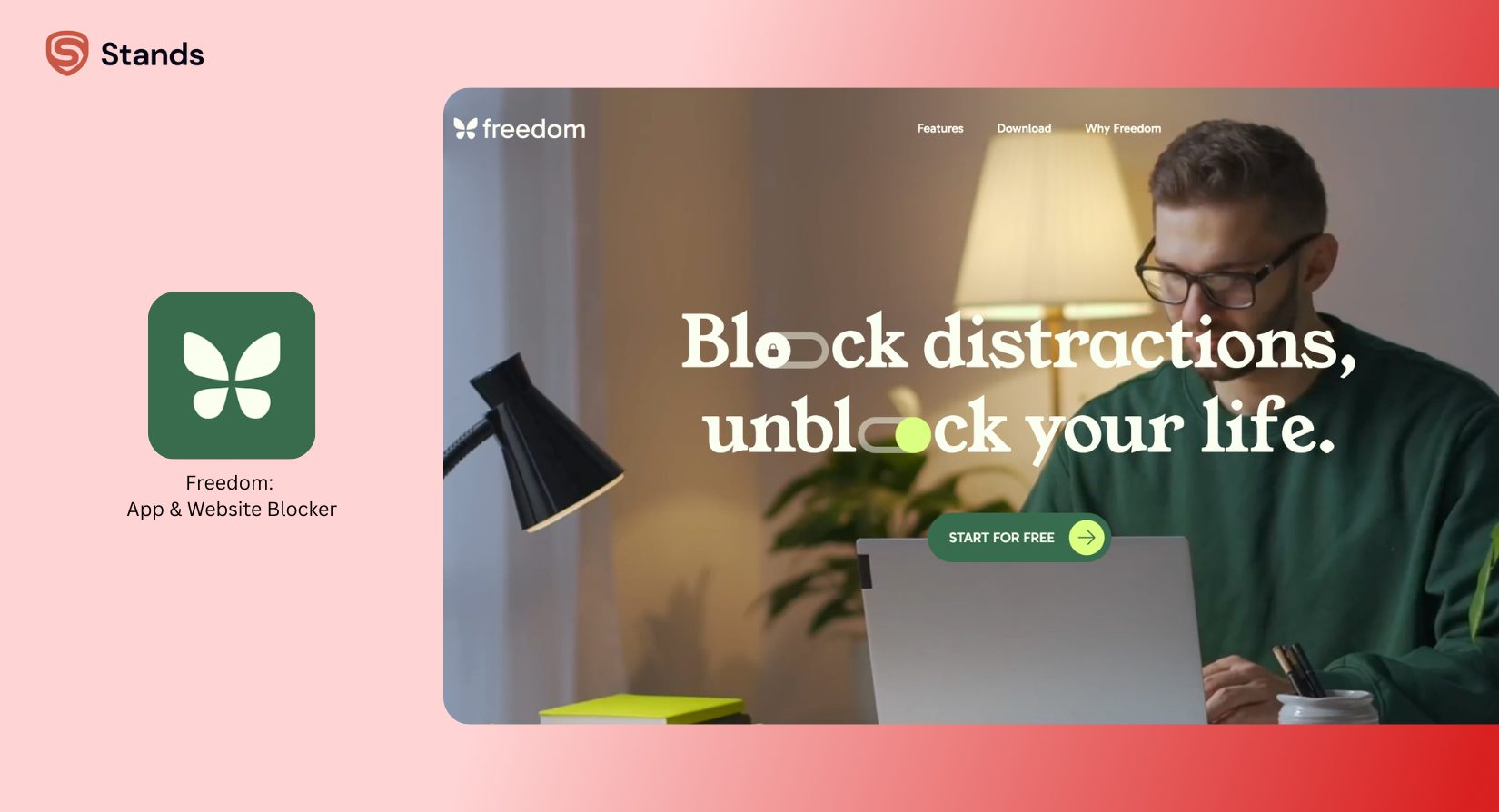
When distractions are blocked for a while, your brain stops arguing with itself every few minutes about whether checking Instagram “just for a second” is really a break.
Productivity tools can rebuild attention span
One overlooked effect of social media burnout is how much it hurts your ability to focus. Short videos and posts train your brain to expect something new every few seconds, so deep work starts to feel uncomfortable.
That’s where focus apps like Forest help. Forest turns concentration into a game by encouraging you to stay off distracting apps while you work.
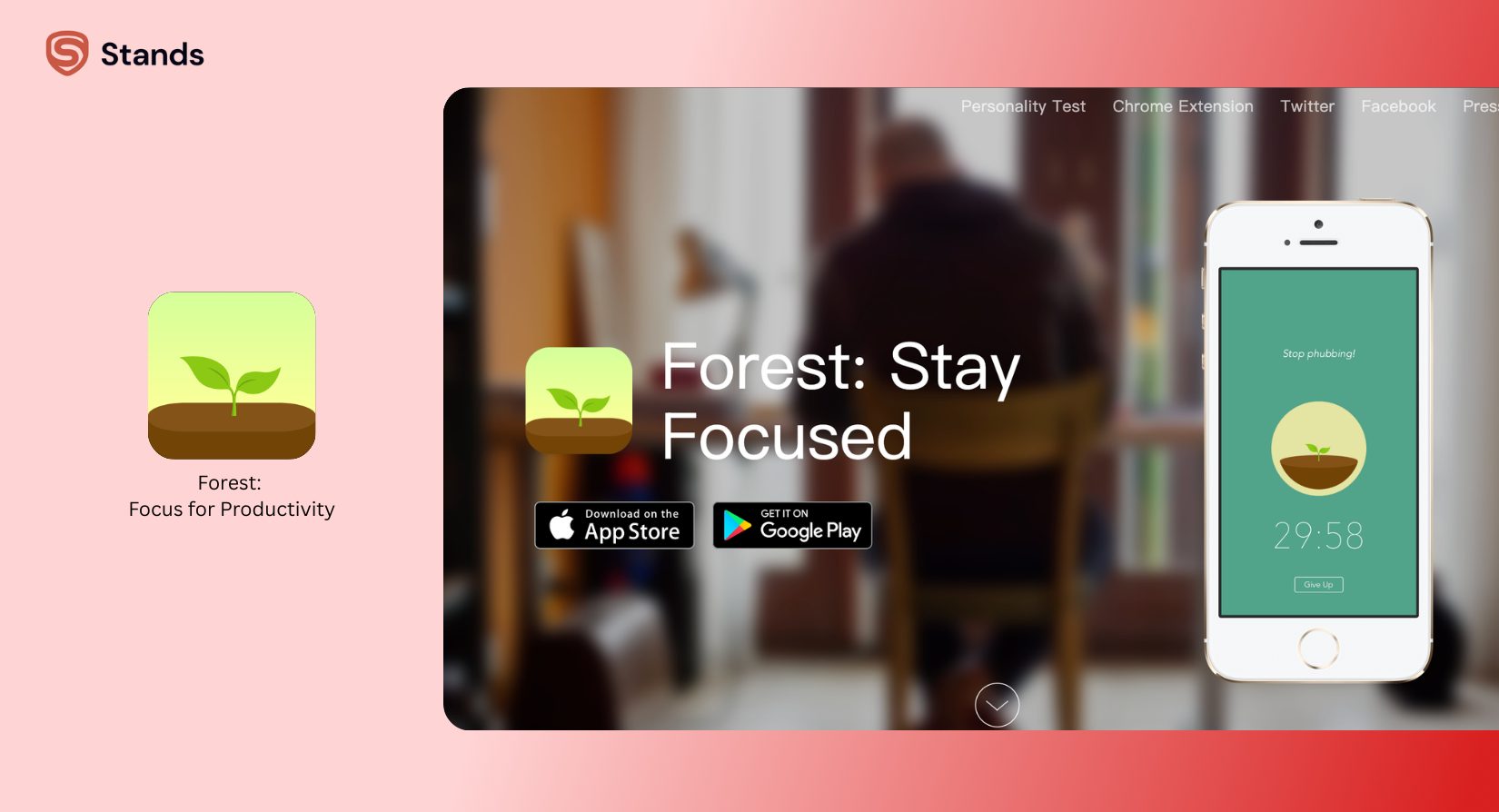
It might sound too simple, but rebuilding your attention span often starts by showing your brain it can handle twenty minutes without checking notifications, even if it feels strange at first.
Scrolling Feels Like Rest — But Your Brain Disagrees
Scrolling feels passive, so it seems like relaxation, but your brain is still processing a huge amount of information every second.
Even when you’re lying on the couch “doing nothing,” your attention jumps between videos, captions, comments, ads, sounds, trends, headlines, and recommendations at a rapid pace. Your nervous system never really settles because the stimulation never stops.
Real recovery usually feels slower and quieter. Taking a walk without checking notifications every few minutes feels different because your brain finally gets a break. Reading, cooking, exercising, listening to music, or just sitting outside without looking at content gives your mind space to relax.
At first, going slower can feel strange, which shows how much modern apps have changed what our brains expect. But after getting used to it, many people notice something a bit surprising: their thoughts become clearer, they can focus for longer periods, and the constant need to “just check something” starts to fade.

Conclusion
People often talk about social media in extremes: either you’re always online, or you disappear and only send handwritten letters from the wilderness.
But real life is usually somewhere in between.
The internet can still be fun, useful, creative, educational, and meaningful. Problems start when being online stops feeling intentional and starts feeling compulsive, noisy, and draining.
That’s why healthier digital habits focus on cutting down on overload, not on being perfectly disciplined.
Research on digital well-being increasingly supports this idea, too. Long-term improvement appears more connected to intentional online behavior and healthier boundaries than aggressive detox cycles alone.
If you want to keep building healthier digital habits, these Stands articles are worth bookmarking:
- Stop Late-Night Scrolling
- Tips to Reduce Screen Time with Ad Blockers
- How to Block Reddit Ads: 5 Methods That Work
- Zero-Distraction Home Office
And if you suddenly feel the urge to “quickly check one notification” after finishing this article, well… your social media apps probably sensed you were becoming self-aware. :)

