
 Home »
10 Signs You Are Chronically Online (And Didn’t Even Realize It)
It did not happen overnight. Small daily habits quietly rewrote how I spent my free time, but the realization hit me hard during dinner with friends: I saw that I had mindlessly scrolled through a feed for ten minutes without remembering pulling out my phone.
My body sat at the table, while my mind lived inside an algorithm. I was not just checking the weather or replying to an email, but I was “chronically online”. This single realization forced me to step back and look closely at how screen time was changing my everyday reality. Let’s check it together, and you might see yourself in it.
10 Signs of Digital Saturation
Data from the Pew Research Center shows that roughly three-in-ten U.S. adults stay online "almost constantly." Social feeds define how we see the world, and it’s easy to lose track of what’s happening around us.
I noticed 10 small signs of this in my own life, and put them in a list below.
1. Internet slang
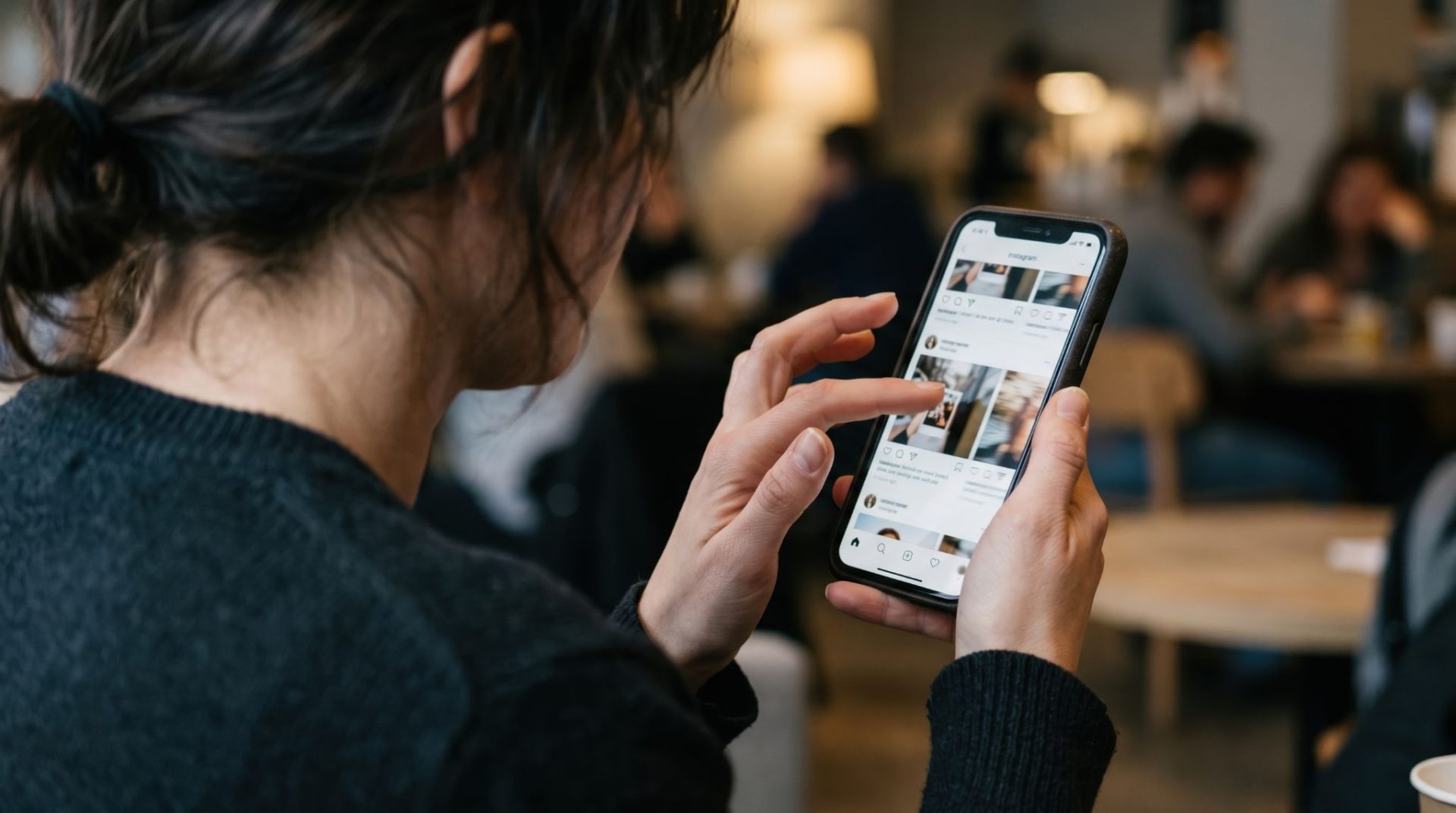
The way you speak shows where your attention is. You often use meme phrases, viral quotes, and internet slang ("brainrot," "main character energy," "lore") during conversations with coworkers or family. This shift in language is usually the first sign that your social media life is affecting your real life.
2. Habitual phone check
You unlock your screen to look up an address, but somehow in 20 minutes you find yourself deep in a TikTok feed, even though you never consciously decided to open the app. Your thumb executed a routine before your brain caught up. Once your hands act on autopilot, your brain begins to transform your real-world experiences as well.
3. Framing life as content
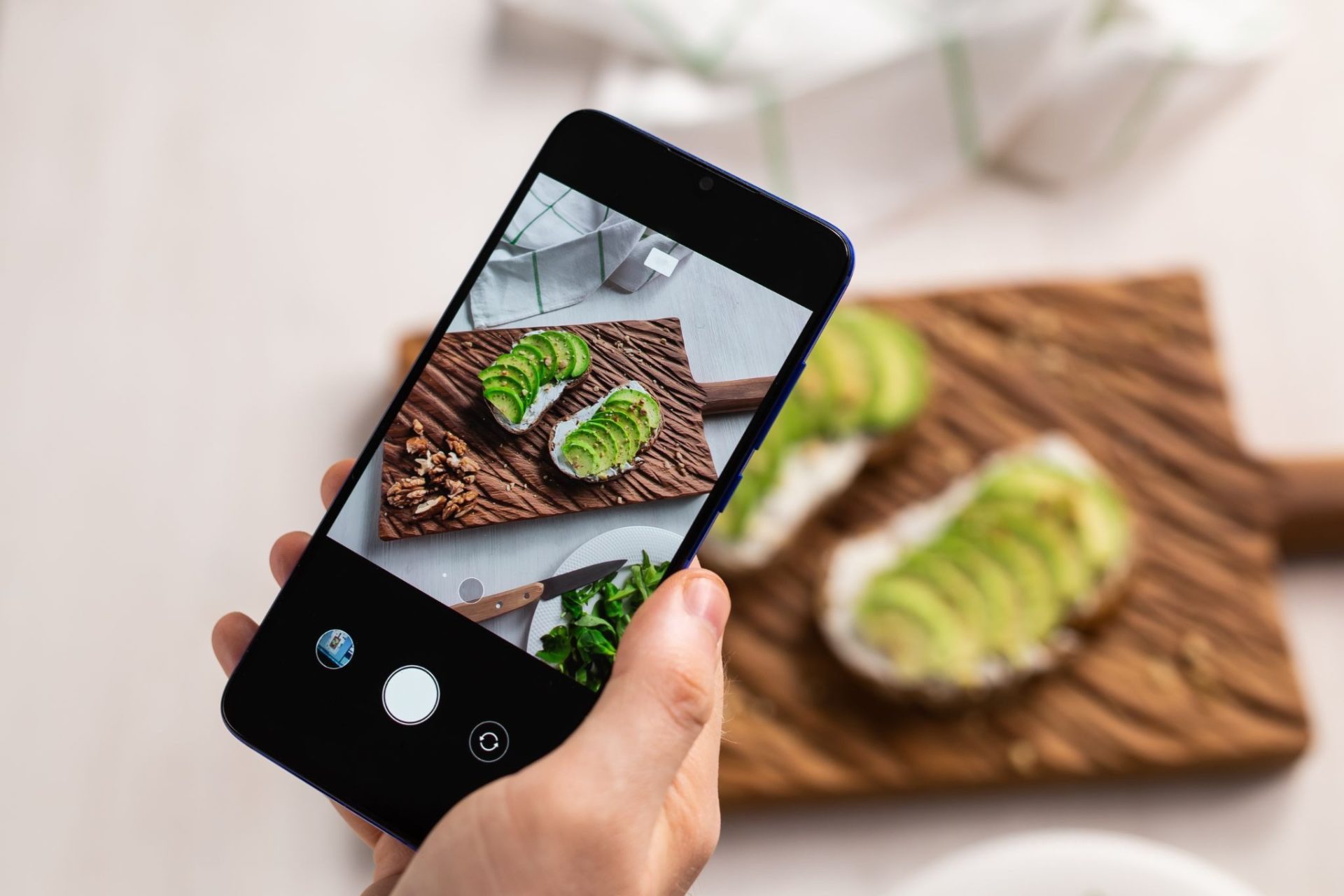
You do not just experience a quiet morning, a coffee shop corner, or a minor daily annoyance anymore. Your brain immediately frames the moment for an audience, and when the morning latte arrives with art on top, your first instinct tells you to rearrange the sugar packets and napkin to take three photos from different angles for your story before you take a single sip. When every moment becomes a potential post or story, your tastes and purchases naturally start to follow online algorithms too.
4. Following micro-trends
Your preferences change as quickly as your feed. Every week, you jump from trends like "clean girl" or "gorpcore" to new home decor styles. Endless scrolling makes you pick up ready-made trends, so you buy a certain water bottle, jacket, or lamp just because it showed up on your feed several times in a week. You lose interest as soon as the algorithm shows you something new. This constant craving for digital novelties eventually leads to a physical restlessness.
5. Phantom notifications
You feel your phone vibrate in your pocket even when nobody has called, and you get restless whenever your screen is face down. These small reactions show how much checking your device has changed your nervous system. As you get used to instant digital alerts, your patience for real delays fades away.
6. Constant impatience
Online spaces give you instant feedback and quick hits of dopamine. Real-world moments like waiting in line, being stuck in traffic, or having a slow conversation start to feel unbearable, and you pull out your phone just to get through the wait.
7. Online drama focus
Spending too much time online changes your priorities. You might know every detail about a viral influencer breakup, but not realize your local government just passed a big construction rule for your street. When online events matter more than real life, your ability to handle real human interactions starts to suffer.
8. Restless downtime
When you finally get some quiet minutes, you end up scrolling instead of taking a real break. You lie down for a quick rest but spend twenty minutes reading messy comment sections on news posts. You wake up feeling tense and drained because feeds take your emotional energy while pretending to help you relax. This lack of real rest eventually affects how you talk with others in real life.
9. Binary thinking
Out-of-context debates on platforms like X or Threads often turn complex topics into simple "us vs. them" stuff. You start to bring that thinking into everyday conversations, which makes it harder to listen and understand others. Your poor friend shares a mild, thoughtful opinion on a current event, and without waiting you quickly label them with an extreme political tag you picked up from internet comments. Over time, these extreme online habits cause bigger problems for you and your surroundings.
10. Endless scrolling
Last but not least, algorithms build your feed to provoke outrage and hold your attention. You think, "I hate this app," while looking at your screen, yet your thumb continues to pull down and refresh the page anyway.

How to Get Your Focus Back
When you see these signs, you have the chance to make a change. Pure willpower fails because you are fighting complex algorithms that software teams designed specifically to capture your focus. To break the cycle, you must change your environment.
| My Old Habits | The New System |
| Unconscious scrolling | Blocking addictive feeds at the browser level |
| Fragmented focus | Single-tasking with scheduled focus blocks |
| Meme-heavy speech | Present, context-aware conversations with friends |
| Endless doomscrolling | Curated, intentional reading from primary sources |
Academic research consistently highlights the cognitive cost of hyper-connectivity. Studies in journals like PLOS ONE and the Journal of Critical Scholarship in Higher Education show how constant social media exposure and endless alerts increase mental clutter, strain emotions, and shorten attention spans.
Focus Tools I recommend
With the right strategy in place, you can select specific utilities to build these boundaries. You must set up friction and cut out visual noise at the source to take back your time. These exact tools helped me clean up my screen habits:
- Build a focus setup: Physical surroundings directly drive digital habits. I applied key ideas to build a zero-distraction home office, and this setup helped me a lot to separate deep work from passive browsing.
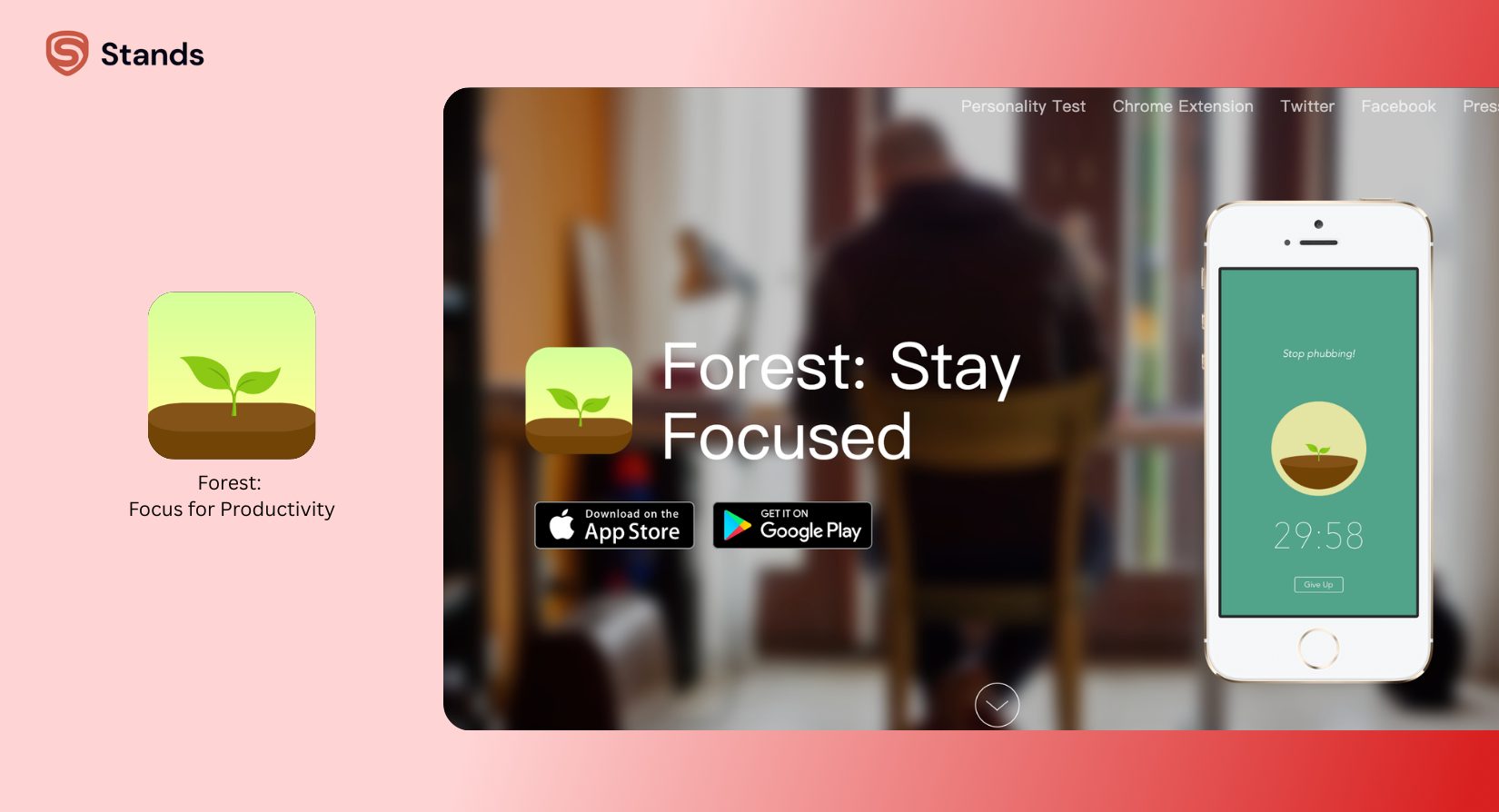
- Use cross-platform blockers: Willpower failed me at times, so I used gamified focus timers like Forest kept my hands off my phone.
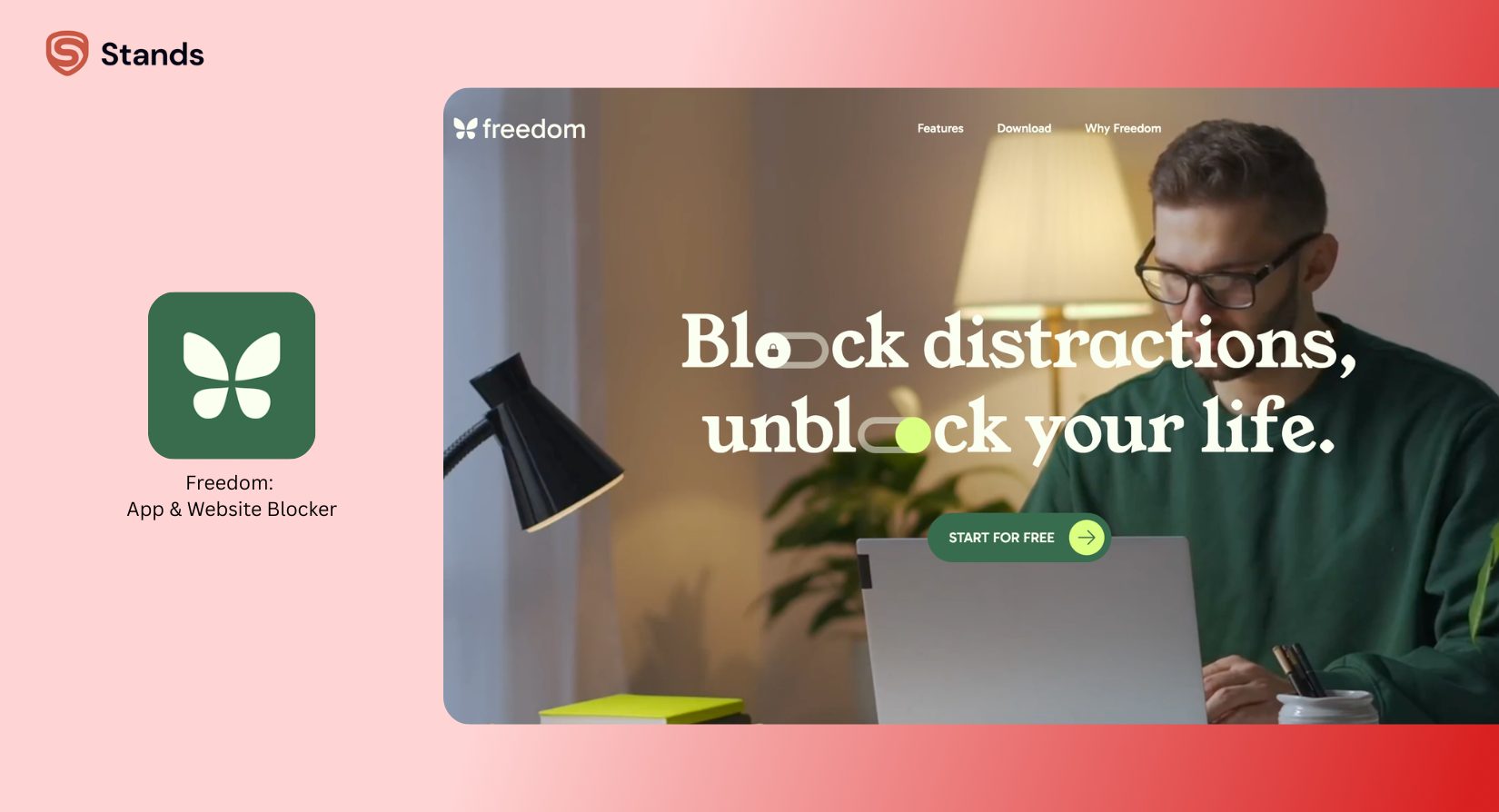
- Schedule screen-free time: I adopted habits from a digital minimalist summer, and these routines reset my dopamine baselines. As a side benefit, I finally returned to my offline hobbies I forgot years ago.
Conclusion
Remember that dinner with friends where I spent ten minutes scrolling without even realizing it? That moment showed me how easily algorithms steal real life from us.
Again, you didn't have to go cold turkey and delete all your social media. What actually works is setting up some simple boundaries along with blocked ads and pop-ups.
And, maybe, next time when you sit down to eat with friends, keep your phone in your pocket and enjoy the conversation right in front of you.:)