
 Home »
The Best Search Engine for Privacy in 2026
Let’s face it, browsing the web today feels like walking through a minefield of trackers. One minute you're looking up a pair of running shoes, and the next minute, those exact shoes are chasing you around every corner of the internet. Big tech companies love to track your search history, build a massive user profile on you, and use your personal information to bombard you with personalized ads. It’s enough to make anyone want to pull the plug!
If you are sick and tired of feeling like someone is looking over your shoulder, it is time to upgrade your browsing experience. Switching to a secure search engine is the single easiest way to get greater privacy. But with so many options out there, how do you separate the best from the rest? Don't sweat it. We have done the check for you and put together the optimal private search engines list so you can take back control of your online privacy today.
- What Is a Private Search Engine and Why Does It Matter?
- Key Benefits of Using a No Tracking Search Engine
- How Private Search Engines Differ from Google and Other Mainstream Options
- Top Privacy-Focused Search Engines in 2026
- Comparing Privacy Ratings and Security Features
- Tips for Maximizing Search Privacy Beyond the Search Engine
- FAQ
What Is a Private Search Engine and Why Does It Matter?
So, what is a private search engine anyway? To put it simply, it’s a search provider that lets you search the web without recording your search queries, saving your IP address, or tracking you across the internet.
Mainstream options like Google Search make their money by gathering user data to personalize your search experience and sell targeted search ads. A non-tracking search engine takes the exact opposite approach. They treat your private info like a locked vault, ensuring your searches remain private and ad revenue doesn't come at the cost of your digital identity.
Key Benefits of Using a No Tracking Search Engine
Making the switch to a safe search engine comes with some massive perks. Here is why you should wave goodbye to traditional tracking systems:
- No User Profiles: They don't track your search history or link your queries to your name or device.
- Unbiased Search Results: Since they don't personalize your feed based on your past clicks, you get unfiltered, raw information.
- Fewer Annoying Ads: Say goodbye to personalized ads that know way too much about your personal life.
- Escape the Filter Bubble: Mainstream engines filter what you see based on your profile, hiding opposing viewpoints. Private ones show you the real deal.
How Private Search Engines Differ from Google and Other Mainstream Options
The difference between a privacy-conscious search engine and mainstream giants like Google or Bing comes down to data and dollars. Mainstream engines often track every single search term, your approximate location, and even what time of day you browse. They use this data to tailor results and serve up highly profitable ads.

Private options focus heavily on maintaining user privacy. They keep no logs, drop no creepy tracking cookies, and hide your digital footprints from third-party advertising companies. Instead of making money off your data, they usually survive on non-targeted search ad revenue or user donations.
| Feature | Mainstream Search Engines (Google/Bing) | Privacy Search Engines |
| Data Logging | Tracks IP, queries, and location | No data logging or search history storage |
| Search Results | Tailored to your user profile | Unbiased search results for everyone |
| Targeted Advertising | Heavily relies on personalized ads | Uses generic search ads or stays ad-free |
| Third-Party Trackers | Allows trackers to follow you around | Actively blocks third-party trackers |
Top Privacy-Focused Search Engines in 2026
Ready to make the jump? Let’s dive into the top 8 best private search engines available right now. We have broken them down into easy categories so you can choose the one.
Independent Index Search Engines
These platforms are the powerhouse options because they don't rely on big tech to generate search results; they build and crawl their own index from scratch.
1. Brave Search
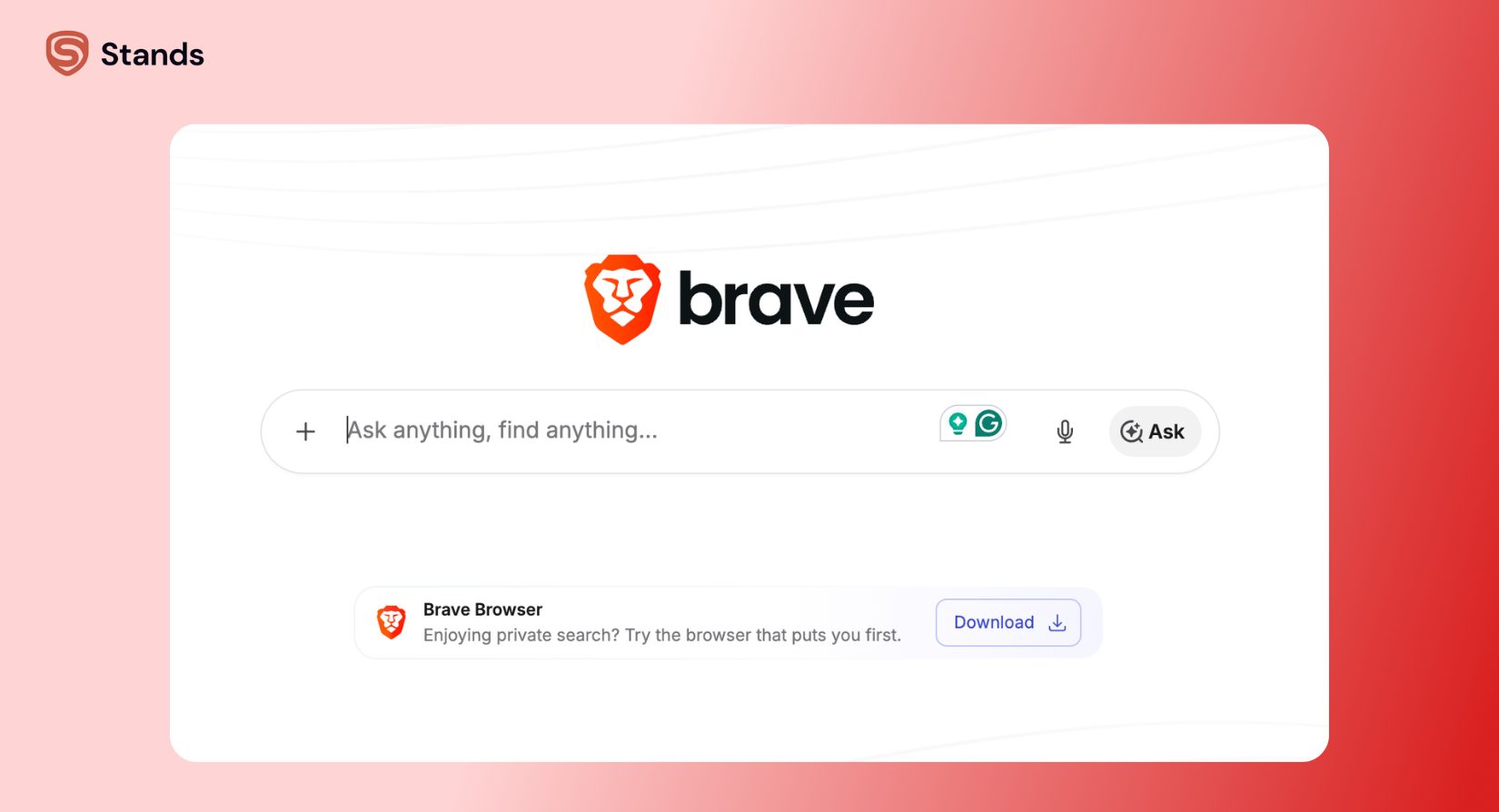
Built by the folks behind the popular Brave browser, Brave Search is an incredible, completely independent search engine. It doesn't track your queries, your clicks, or your personal info. Because it runs on its own independent search index, you get a genuinely unbiased search experience. It is clean, lightning-fast, and a fantastic option for anyone trying to cut ties with big tech entirely.
2. Mojeek
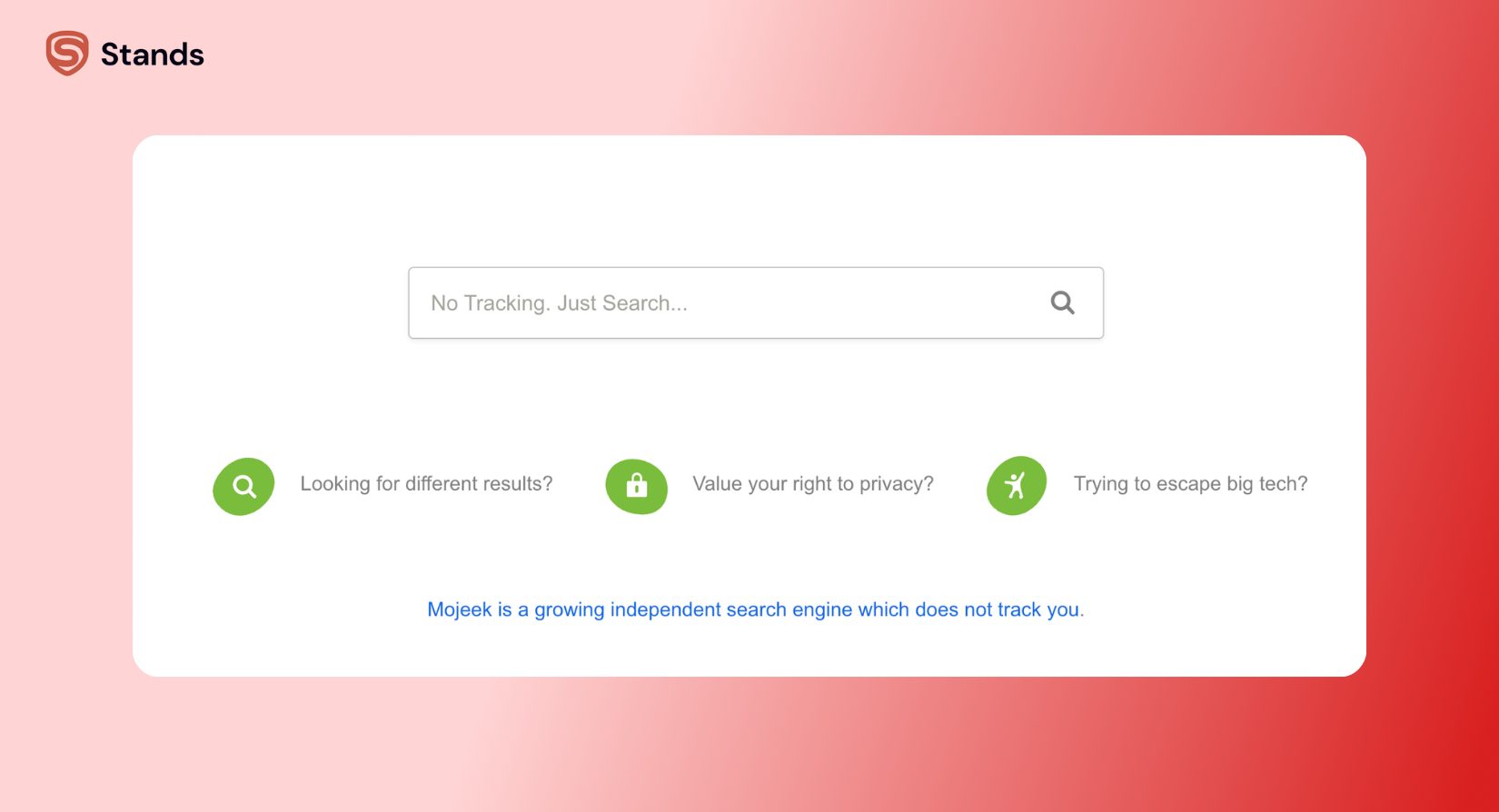
If you want to completely avoid any mainstream tech infrastructure, Mojeek is your best bet. It is a UK-based search engine that owns its entire web crawl database. Mojeek doesn't look at what you do, doesn't personalize anything, and gives you completely raw results based strictly on your search term. It operates under strict local privacy standards, making it a true champion of real online privacy.
Meta-Search Engines Without Tracking
A meta-search engine doesn't crawl the web itself. Instead, it aggregates results from various larger engines (like Google or Bing), strips out all your private info, and passes the clean results back to you.
3. DuckDuckGo
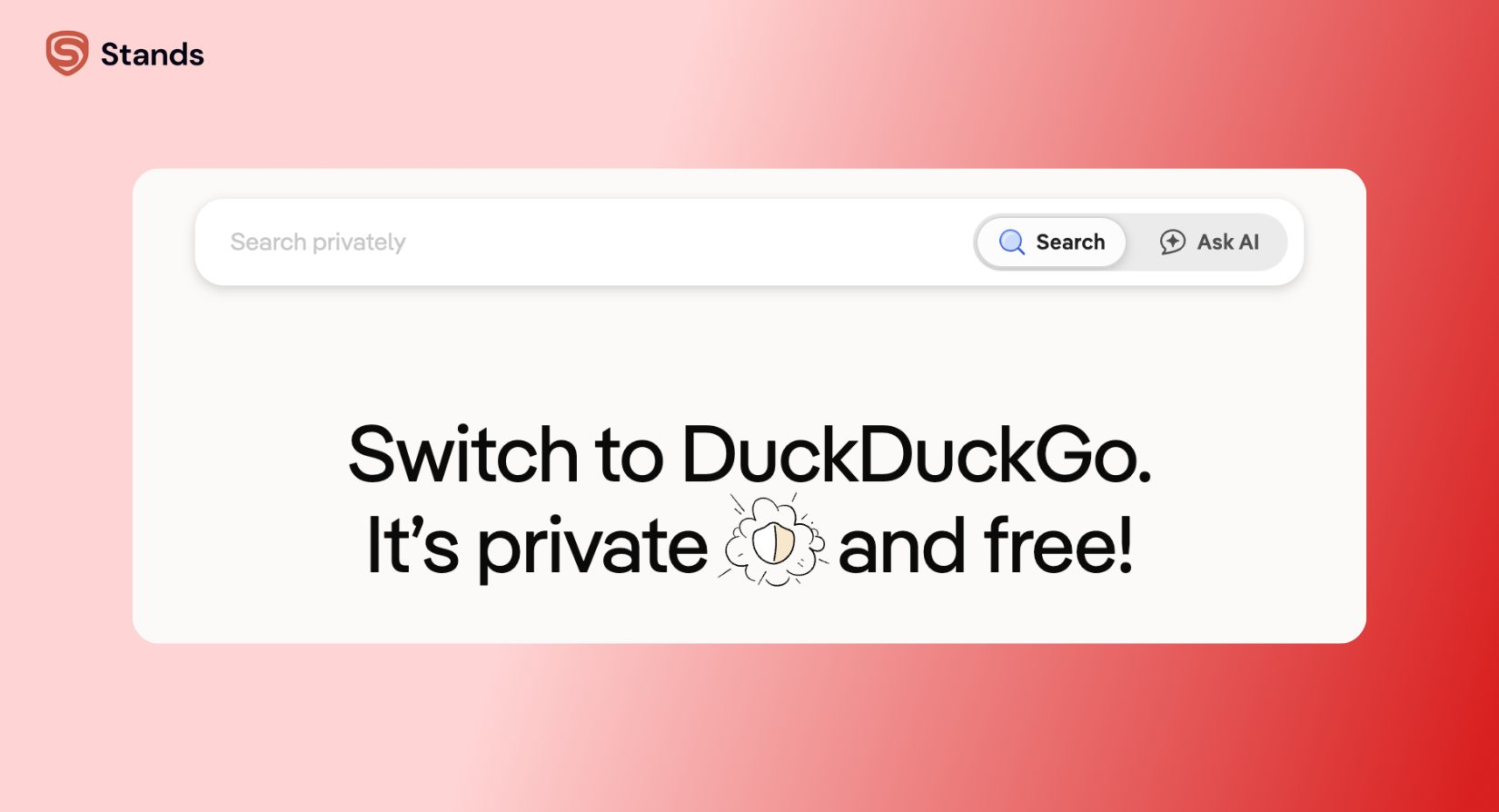
When people talk about the best search engine no-tracking option, DuckDuckGo is usually the first name that pops up. It lets you search the web smoothly by pulling data from hundreds of sources (including Bing). While it’s incredibly popular, some power search users have voiced concerns over its filtering choices over the years. If you are curious about the full story, check out this breakdown on Why DuckDuckGo is bad to see if it still aligns with your privacy goals.
4. Startpage
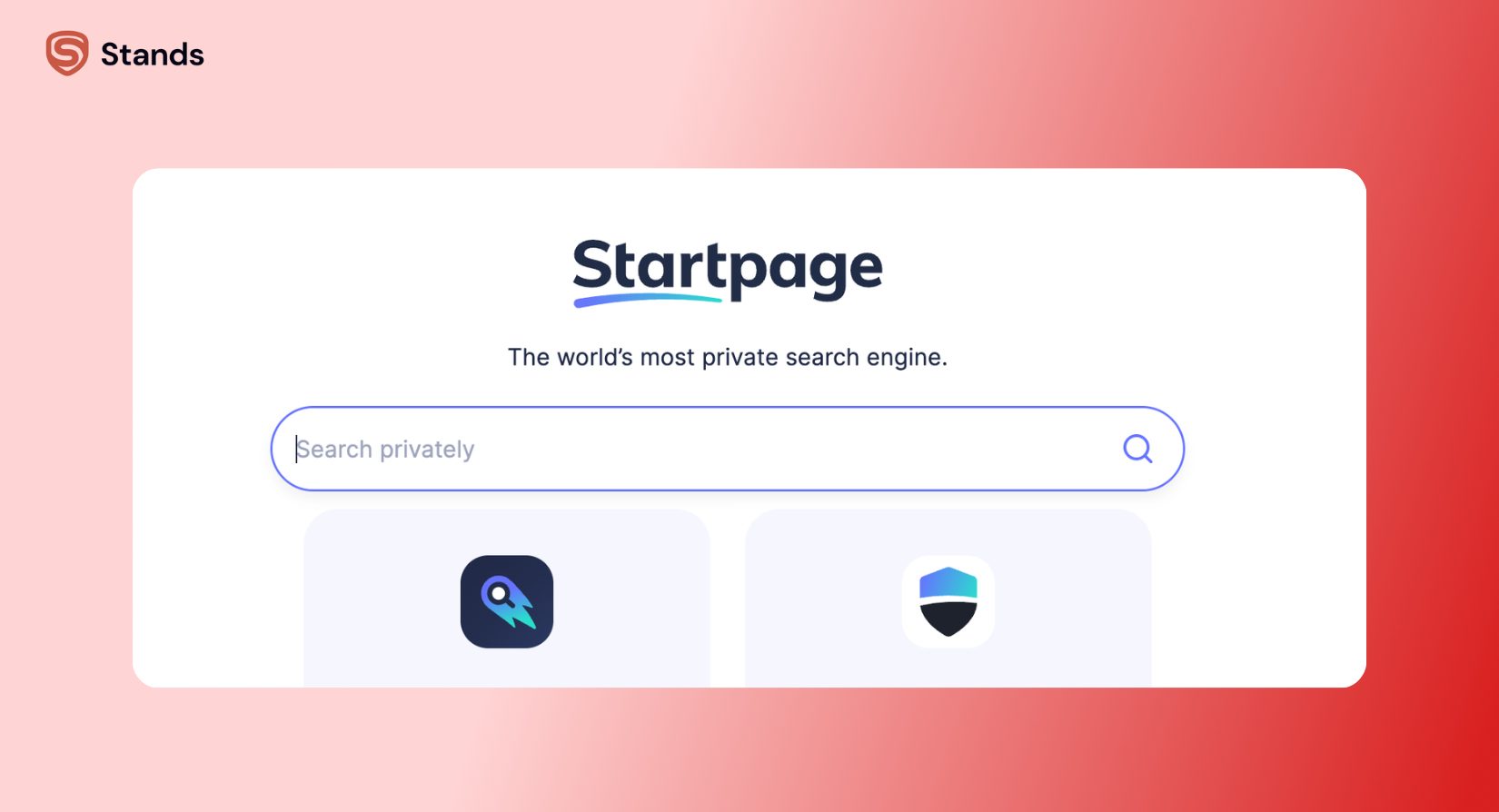
Want the gold-standard quality of Google search results without the terrifying surveillance? Startpage is your answer. This clever platform acts as an anonymous middleman. Startpage uses Google's powerful search index to grab your results, but it strips away your IP address and tracking cookies before Google ever sees them. Plus, it operates under strict EU privacy laws, giving you an extra layer of legal armor.
5. SearXNG
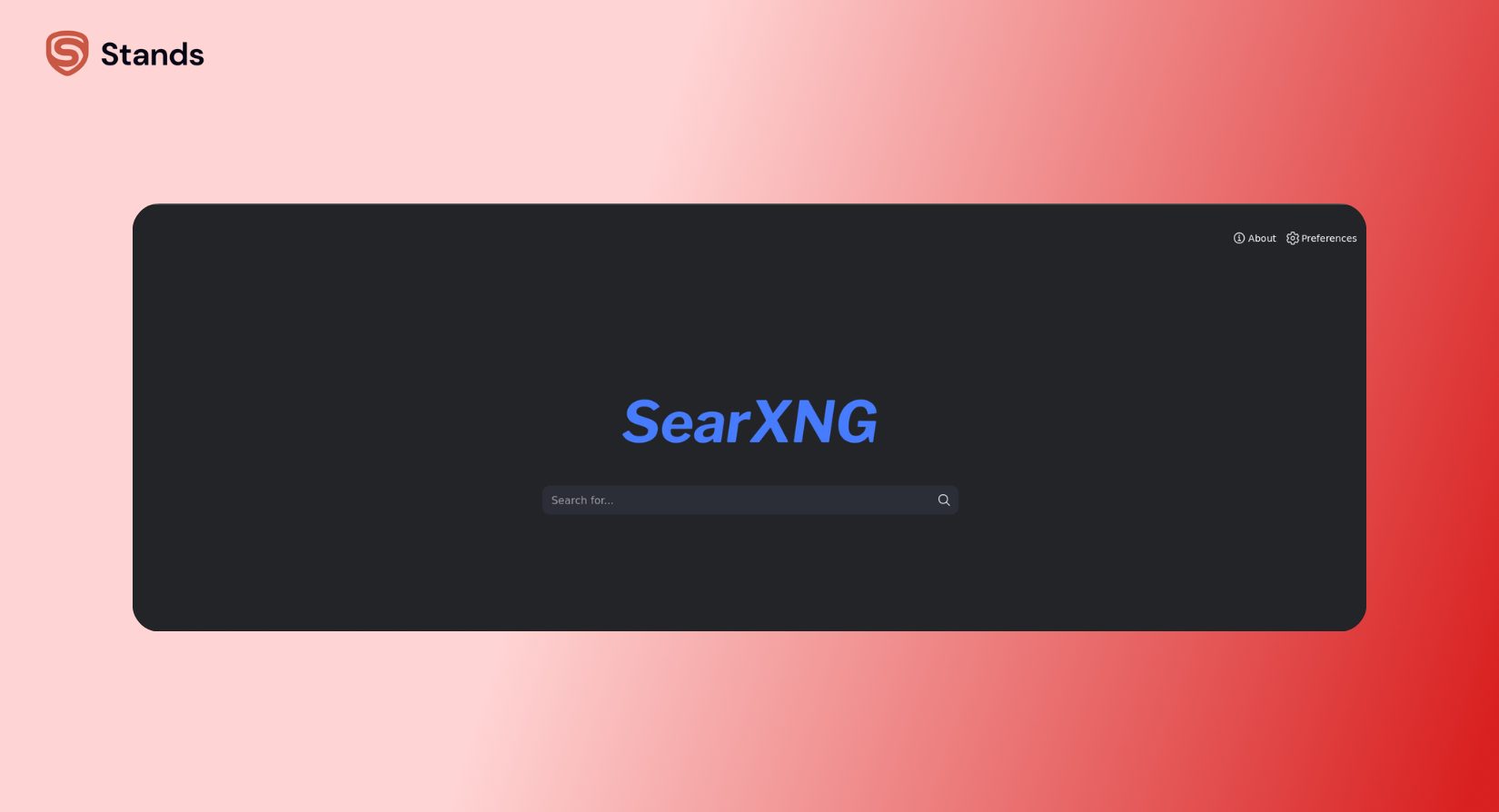
For the ultimate tech-savvy crowd, SearXNG is a brilliant, completely open-source metasearch engine. It aggregates results from dozens of major search platforms simultaneously without storing any data about your activities. Because it is open-source, anyone can audit the code to ensure it’s keeping things totally clean. It allows you to heavily customize your search settings, though it takes a little getting used to.
6. Qwant
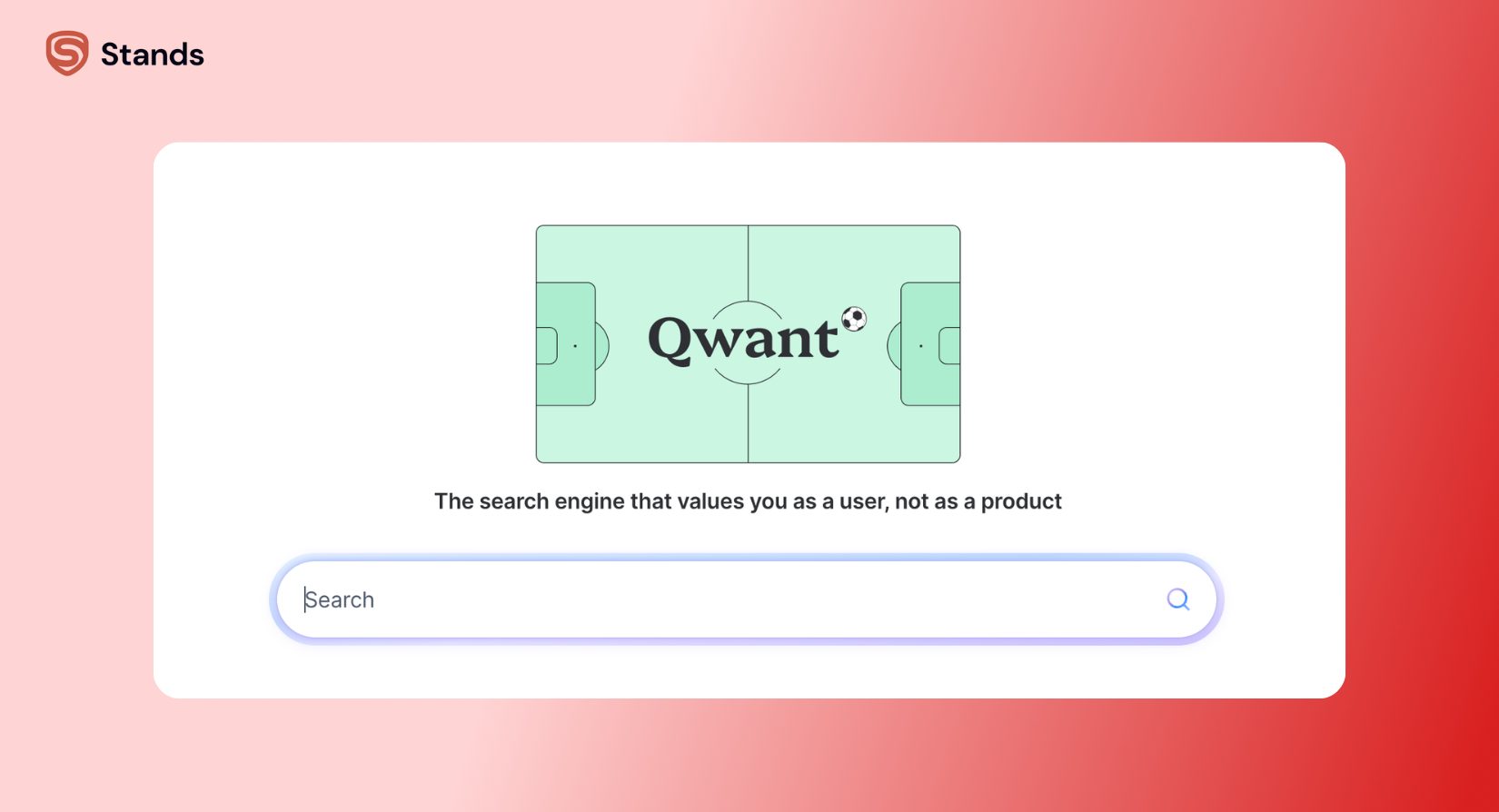
Hailing from France, Qwant is a private internet search engine that prides itself on never tracking your searches or selling your data. It combines its own web index with Bing's results to give you a thorough, well-rounded overview of the web. It is highly structured, easy to use, and even offers a dedicated kid-friendly search view called Qwant Junior to keep the little ones safe online.
AI-Powered Private Search Options
If you like your search engine to act more like a conversational knowledge engine, these modern AI tools keep things fast and highly secure.
7. Swisscows
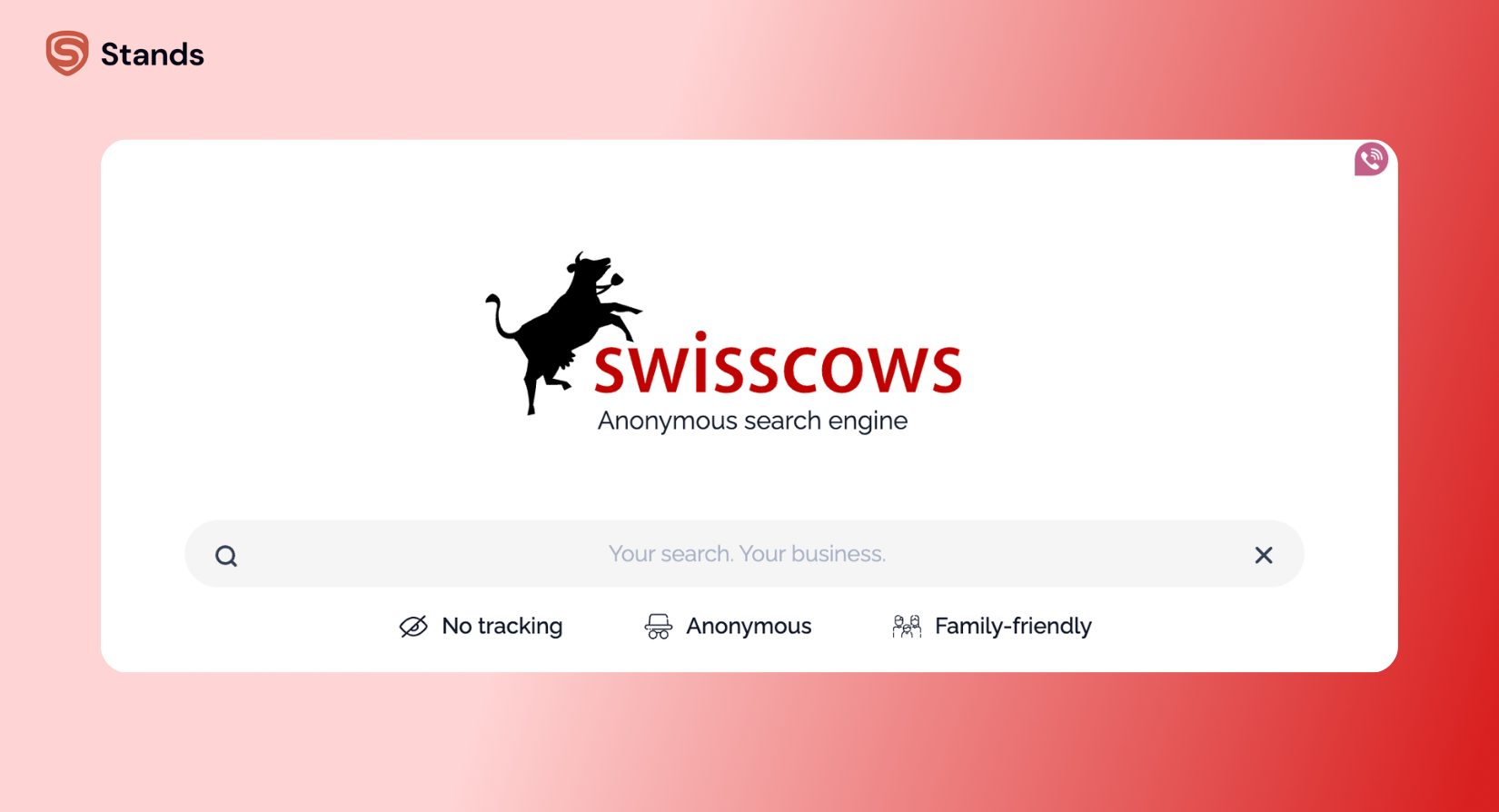
Swisscows takes a unique approach by acting as a family-friendly search and knowledge platform. It uses AI to understand the context of your query and deliver answers without collecting or profiling your data. Based entirely in Switzerland, it benefits from some of the toughest privacy laws on the planet. It also strictly filters out violent or explicit content, making it perfect for household use.
8. MetaGer
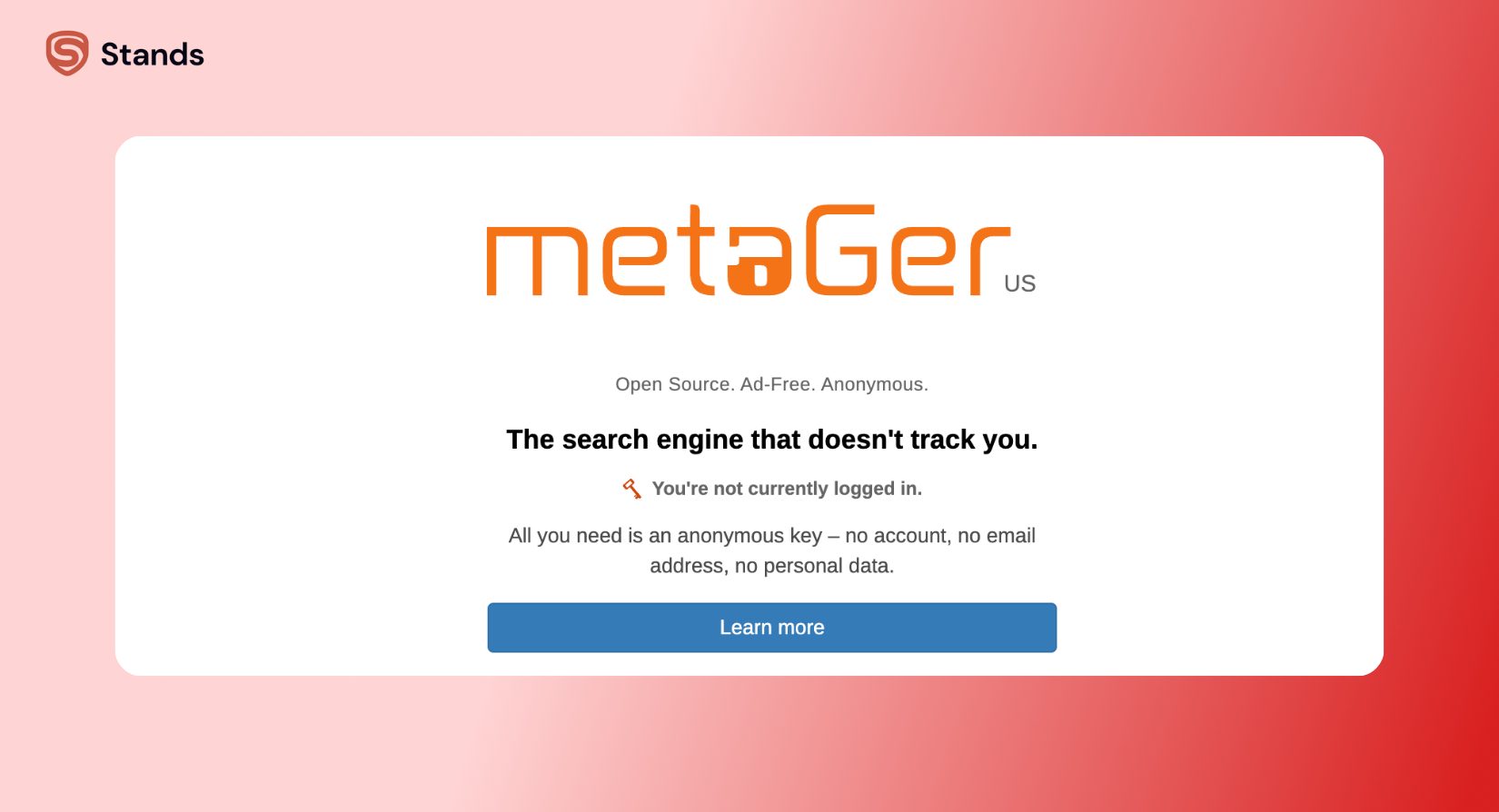
Operated by a non-profit organization in Germany, MetaGer is a decentralized search platform that uses AI-driven algorithms to pull results from multiple independent indexes. It routes all your clicks through an anonymizing proxy server, meaning even the websites you visit won't know who you are. It’s transparent, open-source, and funded entirely by donations and non-targeted affiliate links.
Comparing Privacy Ratings and Security Features
To make your decision even easier, let’s take a side-by-side look at how these privacy search engines stack up against each other when it comes to the core tech features that keep you safe.
| Search Engine | Type | Primary Source | Location | Standout Security Feature |
| Brave Search | Independent | Its own unique index | USA | Fully independent web index |
| Mojeek | Independent | Its own unique index | UK | No big-tech infrastructure used |
| DuckDuckGo | Meta-Search | Bing & other indexes | USA | Excellent tracker-blocking app ecosystem |
| Startpage | Meta-Search | Google index | Netherlands | Pure Google results with total anonymity |
| SearXNG | Meta-Search | 70+ search sources | Decentralized | Open-source and self-hostable code |
| Qwant | Meta-Search | Own index & Bing | France | Strict compliance with EU GDPR |
| Swisscows | AI / Hybrid | Bing & own index | Switzerland | Server infrastructure buried in Swiss bunkers |
| MetaGer | Meta-Search | Multiple open indexes | Germany | Integrated anonymous proxy for outbound links |
Tips for Maximizing Search Privacy Beyond the Search Engine
Switching your search engine is a killer first step, but if your browser or connection is leaking data, you are still fighting a losing battle. To truly lock down your online footprint, you need to think about your entire setup.
First things first: your browser matters. Using a secure search engine inside a mainstream, data-hungry browser is like putting a deadbolt on a cardboard door. Pair your new search provider with a dedicated private browser or use extensions that keep trackers at bay. Also, don't rely entirely on standard incognito windows to save you. For the real scoop on how to handle your browser tabs safely, check out our guide on using Adblock in Incognito Mode to see how data can still sneak through.
Second, clear out the clutter! Advertisements aren't just annoying eye-sores; they are packed with background tracking scripts that map your online behavior across multiple platforms. Using a trusted tool like the Stands AdBlocker keeps your screen clean and stops trackers from building a hidden profile on you. If you spend a lot of time watching creators stream online, you can also keep your entertainment smooth and tracking-free with a specialized Twitch AdBlock setup.

Finally, keep an eye out for broken security connections. If you ever stumble across an error screen shouting that Your Connection Is Not Private, do not ignore it. That warning means your data could be exposed to prying eyes on that specific network. Take care of your browser settings, clear out trackers, and use a secure search engine to ensure your private life stays exactly the way it should be—private!
FAQ
What is the most private search engine in 2026?
What is the most private search engine depends on your goals, but Mojeek and Brave Search are the top contenders because they own their independent search indexes. This means they don't have to share any query data with big tech companies to show you results.
Which search engine does not track users at all?
All eight options on our private search engines list—including Startpage, DuckDuckGo, and Swisscows—do not track your data, store your IP address, or log your search queries at all.
How do private search engines protect my data?
They protect you by stripping out identifying information from your search terms. They don't use tracking cookies, they discard your IP address immediately, and they don't create an advertising profile based on what you click.
Are private search engines as effective as Google?
Yes! Options like Startpage give you the same results as Google, while Brave Search and DuckDuckGo provide highly accurate, lightning-fast results without any of the background tracking.
Can I use a private search engine on mobile devices?
Absolutely. You can set any of these secure choices as your default search engine in mobile browsers like Safari, Chrome, or Firefox on both Android and iOS devices.

