
 Home »
How to Block Ads on Netflix: A Complete Guide for a Cleaner Stream
I can tell you right up front that no standard browser extension or network filter can fully remove video ads on Netflix because the platform uses Server-Side Ad Insertion (SSAI), stitching commercial breaks directly into the primary content stream. While traditional tools fail to eliminate these inline interruptions, I have found that you can bypass commercial breaks or clean up your interface by routing traffic through non-ad regions using a virtual private network, changing subscription tiers, or using desktop layout tools.
- Why most Netflix ad blockers fail (and what does work)
- The only guaranteed solution
- VPN routing through ad-free regions
- Browser ad blockers clean interfaces without blocking video ads
- DNS-based blocking intercepts some ad requests at the network level
- Smart TV and streaming device workarounds
- The "Netflix Ad Skipper" extension and similar tools
- What about recording or downloading Netflix content?
- Method & platform compatibility breakdown
- Cost-benefit analysis: what makes financial sense
- Netflix's expanding ad strategy and what's coming
- FAQ
Why most Netflix ad blockers fail (and what does work)
The system puts ads and TV shows into one stream from the same domain as it serves video ads through SSAI(Server-Side Ad Insertion).
Because the movie and the commercial use the same web address, basic software cannot drop the ad without breaking the whole video. When I test an ad blocker for Netflix by stopping the ad, the player simply freezes or shows an error.
Standard platforms like YouTube send ads from a separate server. This lets your browser tool block the ad domain while the main video plays fine. Netflix stitches the ad and the video together on its own server. This leaves ad blockers with no way to separate them.
Here is a quick look at the six main ways people try to stop ads on Netflix.
Effectiveness comparison of Netflix ad-blocking methods
| Method | Video Ad Removal Success | Technical Mechanism | Primary Limitation |
| Plan Upgrade | 100% | Account setting change | Highest monthly cost |
| VPN Region Change | 50%–80% | Route traffic to ad-free countries | Netflix actively blocks known VPN IPs |
| Browser Extensions | 0% (Video Ads) / 100% (Banners) | Page layout cleanup | Cannot split SSAI video streams |
| DNS-Based Filtering | 0% | Domain blocking | Same domain serves ads and shows |
| Ad Skipper Tools | 0% (Removal) / 90% (Muting/Fast Forward) | Browser script | Only speeds up or mutes the ad |
| Smart TV Workarounds | 0%–30% | Router settings or custom apps | Apps use strict built-in player rules |
The only guaranteed solution
Back in late 2022, Netflix created a cheaper plan that came with ads, but at the same time, saved money for a lot of people. However, this cheaper option forces you to watch 4 to 5 minutes of commercials for every single hour of video. Each individual break takes between 15 and 45 seconds out of your show. If you want those commercial breaks to disappear completely, you have to move up to a Standard or Premium plan.

If you want to watch your favorite movies on every TV, phone, or computer without any technical problems, changing your official account plan is the easiest move you can make.
Monthly cost comparison: ad-supported vs. ad-free plans
| Plan Tier | Estimated Monthly Cost (USD) | Ad Frequency | Max Resolution | Simultaneous Streams |
| Standard with Ads | $6.99 | 4–5 mins per hour | 1080p | 2 |
| Standard (Ad-Free) | $15.49 | Zero ads | 1080p | 2 |
| Premium (Ad-Free) | $22.99 | Zero ads | 4K + HDR | 4 |
VPN routing through ad-free regions
You can skip Netflix ads by using a VPN app to change your internet location to a country that does not have ads, like the US, Canada, the UK, France, and Japan. If you connect to a country without ads, like Iceland or Albania, Netflix will play your videos without stopping for commercials.
Here are the easy steps:
- Open your VPN app, like NordVPN, Surfshark, or ExpressVPN.
- Pick a country that does not have Netflix ads.
- Open Netflix on your web browser and click play.
Just keep in mind that Netflix works hard to spot VPNs. If it catches you using one, you might see an error message on your screen until you turn the app off.

Browser ad blockers clean interfaces without blocking video ads
I cannot use a browser extension to remove SSAI video ads from my stream, but I use these tools to clear out web trackers and page clutter.
When I run an ad blocker for Netflix, I expect it to clean up the page layout and nothing more. If you watch Netflix on a desktop browser, combining simple tools gives you a much better experience.
When I want a cleaner, faster browser, installing a verified ad blocker for Chrome helps me stop tracking scripts and pop-ups. Extensions like Stands AdBlocker do not cut out the embedded video ads inside the Netflix stream, but they speed up page load times and protect privacy.
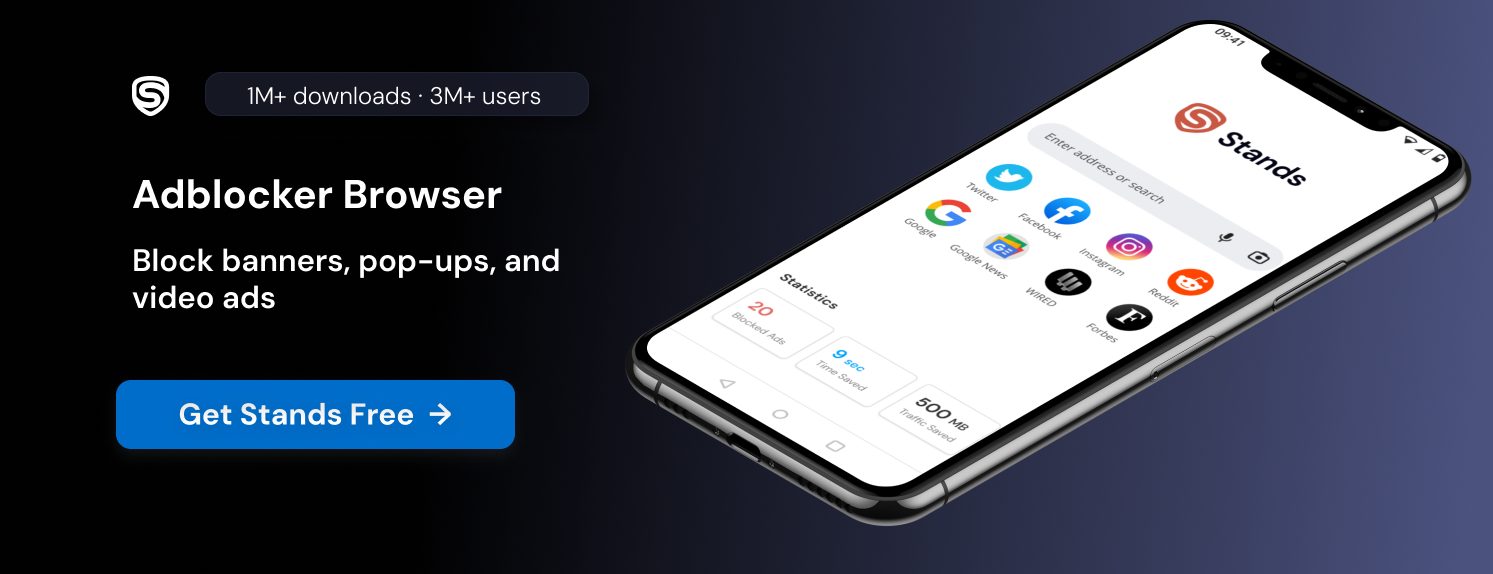
When I look for protection on mobile devices, picking the best Android ad blockers or choosing the Best Ad Blocker for iPhone keeps my general web browsing private and smooth.
DNS-based blocking intercepts some ad requests at the network level
I can use DNS ad blocking to stop network requests to commercial servers, but this method fails on Netflix every time.
A custom DNS service like AdGuard DNS or Pi-hole checks the web requests coming from my home network. During regular web browsing, the DNS filter blocks ad domains easily. But Netflix sends the movie and the ad through the exact same web address.
Because Netflix uses one domain for both the show and the ad, my DNS server cannot tell them apart. If I try to block the ad domain, I block the whole movie from playing.
Smart TV and streaming device workarounds
Smart TVs, Apple TVs, and Roku sticks use closed apps that ignore basic ad-blocking extensions.
I cannot install a Netflix app ad blocker on a TV operating system like Samsung Tizen or LG WebOS because the app stores do not allow it.
- Router VPNs: The only way to try this on a TV is to install a VPN directly on my home router.
- Custom apps: Some Android TVs let you install extra files, but Netflix quickly blocks modified app files using strict digital rights rules.
- Network errors: When I try to change network settings on my TV, the app usually gives me connection errors instead of an ad-free video.

The "Netflix Ad Skipper" extension and similar tools
Netflix ad skipper does not delete ad breaks from your video file. Instead, it pushes the player controls for you.
These extensions run simple background tools that spot when an ad starts in my browser. Once the ad begins, the tool does three things:
- Mutes my browser tab right away.
- Speeds up the video to 16x speed.
- Turns the sound back on when the show returns.
This tool turns a 30-second ad break into two seconds of fast, silent video. I do not call this true ad blocking, but it saves me from doing it by hand.
What about recording or downloading Netflix content?
I use the official offline download button on paid plans, but I stay away from screen recorders because security software blocks them.
People often ask me about recording streams to watch them without ads. Modern web browsers use built-in encryption that turns my video screen black if I turn on recording tools. Trying to bypass these security locks also breaks Netflix’s Terms of Service and can get your account closed.

Method & platform compatibility breakdown
To help you choose the right setup, I mapped out where each method works across different devices in the table below.
Device compatibility matrix
| Method | Desktop Browsers (Chrome/Edge/Firefox) | Mobile Apps (iOS / Android) | Smart TVs & Streaming Sticks |
| Plan Upgrade | Fully Functional | Fully Functional | Fully Functional |
| VPN Region Change | High Success Rate | Moderate Success | Requires Router Setup |
| Ad Skippers | Functional via Browser | Not Supported | Not Supported |
| Browser Ad Blockers | Interface Cleanup Only | Not Supported | Not Supported |
| DNS Filtering | Fails for SSAI Ads | Fails for SSAI Ads | Fails for SSAI Ads |
Cost-benefit analysis: what makes financial sense
When I decide how to get rid of ads on Netflix, I compare subscription costs against software prices and setup time.
- Ad-Supported Plan Only: $6.99 per month (Has ads, zero setup)
- Ad-Supported Plan + VPN: $6.99 + $3.00 = $9.99 per month (Unstable workaround, requires manual server swaps)
- Official Standard Ad-Free Plan: $15.49 per month (No ads, full video quality, zero effort)
If I pay $6.99 for the basic ad plan and buy a good VPN for $3.00 a month, I spend nearly $10.00 every month. When I factor in server bugs and setup hassles, I find it much easier to pay for the official ad-free plan.
Netflix's expanding ad strategy and what's coming
As I track streaming trends, I notice ad tools getting smarter and more deeply built into our shows.
I see Netflix adding new ad types beyond simple breaks between episodes:
- Binge Ad Formats: Special ad setups where the platform gives me an ad-free episode after I watch three episodes in a row.
- In-House Ad Systems: Netflix is building its own ad network. This change makes external network filters even harder to use.
When I look at how to stop ads on Netflix, I see that server-side ads are here to stay. As streaming platforms update their tech, software hacks will work less and less.
FAQ
How do I block ads on Netflix?
Upgrade to an ad-free plan:)
Is it illegal to use an ad blocker on Netflix?
No. However, it might violate Netflix's terms of service, which could result in the platform blocking your connection or displaying playback errors.
Does AdBlock work on Netflix?
No. While extensions like Stands AdBlocker clean up page layouts and block trackers on your web browser, they cannot separate video ads from the show itself.
Can a VPN remove Netflix ads completely?
Yes. Just keep in mind that Netflix blocks known proxy IP addresses, so you may need to change servers.
Why does my ad blocker work on YouTube but not on Netflix?
To make it short, platforms like YouTube send video ads through separate network calls, making it easy for extensions to block them. Netflix blends the ad and the show into a single video stream, so blocking the ad breaks the video completely.
Last but not least, to learn more about how this works on other platforms, check out our guide on how to block ads on YouTube or read our breakdown of blocking ads on streaming services.